Conception Calculator
Calculate Conception Date, Due Date & Pregnancy Week
Conception & Pregnancy Calculator
Enter Your Information
Pregnancy Trimesters
| Trimester | Weeks | Key Developments |
|---|---|---|
| First Trimester | 1-12 | Organ formation, heartbeat begins |
| Second Trimester | 13-27 | Movement felt, gender visible |
| Third Trimester | 28-40+ | Rapid growth, preparation for birth |
Understanding Conception
Conception occurs when a sperm fertilizes an egg, creating a zygote that will develop into an embryo and eventually a baby. This typically happens in the fallopian tube within 12-24 hours after ovulation. However, because sperm can survive in the female reproductive tract for up to 5 days, intercourse occurring 5 days before ovulation through ovulation day can result in conception. This is why calculating exact conception date is challenging—it's usually estimated rather than precisely known.
Most conception calculators estimate conception date as approximately 2 weeks after the first day of the last menstrual period (LMP) for women with 28-day cycles. This assumption is based on typical ovulation occurring around day 14 of the cycle. For irregular cycles or cycles longer/shorter than 28 days, conception timing varies. The conception date calculated is the approximate fertilization date, not necessarily the date of intercourse—sperm from intercourse up to 5 days prior can fertilize the egg.
After fertilization, the zygote travels down the fallopian tube for 5-6 days before implanting in the uterine lining—this is when pregnancy officially begins biologically. Implantation triggers hCG hormone production, which pregnancy tests detect. Some women experience light spotting (implantation bleeding) 6-12 days post-conception. Pregnancy is typically dated from LMP, not conception, because LMP is more reliably remembered than ovulation or conception dates. This means pregnancy "weeks" count from 2 weeks before actual conception occurred.
How Pregnancy is Dated
Dating from Last Menstrual Period (LMP)
LMP dating is the standard method healthcare providers use because most women remember their last period date. Pregnancy is calculated from the first day of the LMP, even though conception doesn't occur until approximately 2 weeks later. This means when you're "4 weeks pregnant," conception occurred only about 2 weeks ago. The 40-week pregnancy (280 days) is counted from LMP, not from conception. Naegele's Rule calculates due date as: LMP + 280 days, or LMP + 7 days - 3 months + 1 year.
Dating from Conception Date
If conception date is known (through fertility tracking, IVF, or single intercourse instance), pregnancy can be dated more precisely. From conception, add 266 days (38 weeks) to calculate due date. This method is more accurate than LMP for women with irregular cycles or those using assisted reproductive technology. When conception date is known, healthcare providers may adjust LMP-based calculations. However, even with known conception date, natural variation means only 5% of babies arrive exactly on due date.
Dating from Ultrasound
Ultrasound dating is most accurate when performed in the first trimester (8-13 weeks). Early ultrasounds measure crown-rump length (CRL) to estimate gestational age within ±5-7 days accuracy. First-trimester ultrasounds are more accurate than LMP dating for women with irregular cycles, uncertain LMP, or discrepancies between LMP and physical exam. If ultrasound dating differs from LMP dating by >7 days, healthcare providers typically use the ultrasound date. Later ultrasounds (second/third trimester) are less accurate for dating due to individual growth variations.
Why Due Dates Are Estimates
Only 5% of babies arrive on their exact due date. Normal pregnancy lasts 37-42 weeks—a full 5-week range. About 70% of babies are born within 10 days of the due date (before or after). Factors affecting timing include first vs. subsequent pregnancies (first pregnancies average 8 days longer), maternal age, genetics, and individual cycle variations. "Full term" is now defined as 39-40 weeks, with "early term" at 37-38 weeks and "late term" at 41-42 weeks. Pregnancies beyond 42 weeks (post-term) typically require medical intervention.
The Three Trimesters of Pregnancy
First Trimester (Weeks 1-12)
The first trimester is the period of most rapid fetal development. All major organs and body systems begin forming—brain, spinal cord, heart, arms, legs, fingers, toes. The heart starts beating around week 5-6, detectable by ultrasound. By week 12, the fetus is fully formed at about 2-3 inches long, though still developing. Morning sickness, fatigue, breast tenderness, and frequent urination are common symptoms due to rapidly rising hormone levels (hCG, progesterone, estrogen). Miscarriage risk is highest in first trimester (10-20% of known pregnancies), decreasing significantly after week 12.
Second Trimester (Weeks 13-27)
The second trimester is often called the "honeymoon period" because morning sickness typically subsides and energy returns. The fetus grows rapidly from about 3 inches to 14 inches and develops distinct features—facial features, fingerprints, hair. Most women feel fetal movement (quickening) around weeks 16-25, earlier in subsequent pregnancies. The 20-week anatomy scan ultrasound checks fetal development and can reveal biological sex. Belly growth becomes obvious as the uterus expands above the pelvis. Common symptoms include round ligament pain, backache, skin changes (linea nigra, darkened nipples), and pregnancy "glow" from increased blood flow.
Third Trimester (Weeks 28-40+)
The third trimester involves final fetal development and rapid weight gain—baby gains about half its birth weight in the last 6-8 weeks. Lungs mature (surfactant production begins around week 26, critical for breathing), brain develops rapidly, and baby assumes head-down position for birth (usually by week 36). Common symptoms include shortness of breath (uterus pressing diaphragm), frequent urination (bladder pressure), heartburn, swelling (edema), Braxton Hicks contractions (practice contractions), and difficulty sleeping. Regular prenatal visits monitor for complications like preeclampsia, gestational diabetes, and preterm labor. Labor typically begins spontaneously between weeks 37-42.
Early Pregnancy Signs & When to Test
Common Early Pregnancy Symptoms
Early pregnancy symptoms vary widely—some women notice changes within days of conception, while others have no symptoms for weeks. Common signs include: Missed period (most obvious indicator); Implantation bleeding (light spotting 6-12 days post-conception); Breast tenderness and swelling; Fatigue and exhaustion; Nausea with or without vomiting (morning sickness, though can occur any time); Frequent urination; Food aversions or cravings; Mood swings; Light cramping; Basal body temperature remaining elevated. However, many early pregnancy symptoms mimic PMS, making them unreliable indicators without a positive pregnancy test.
When to Take a Pregnancy Test
Home pregnancy tests detect hCG hormone in urine, which doubles every 48-72 hours in early pregnancy. For most accurate results, test on the first day of your missed period or later (approximately 14 days post-ovulation/conception). Testing earlier may produce false negatives because hCG levels are still too low. "Early detection" tests claim to detect pregnancy up to 6 days before missed period, but accuracy is only 50-70% before missed period. First morning urine has highest hCG concentration. Blood tests performed by healthcare providers can detect pregnancy earlier (7-12 days post-conception) and provide quantitative hCG levels.
Implantation Bleeding vs. Period
Implantation bleeding occurs in about 15-25% of pregnancies when the embryo burrows into the uterine lining, typically 6-12 days after conception. It's usually light pink or brown spotting (not red like period blood), lasts hours to 2 days (not 3-7 days like periods), and involves minimal flow (not enough to fill pads/tampons). Some women experience mild cramping. Implantation bleeding occurs before expected period—if spotting happens on or after the day your period is due, it's more likely early period or other cause rather than implantation. Heavy bleeding, severe cramping, or bleeding after positive pregnancy test warrant medical evaluation.
First Prenatal Appointment
First prenatal visit typically occurs at 8-12 weeks after LMP, once pregnancy is confirmed with home test. Earlier visits may be scheduled for high-risk pregnancies or specific concerns. The appointment includes: Confirmation of pregnancy (urine or blood test); Medical history review; Physical exam and pelvic exam; Calculation of due date; Dating ultrasound (if timing is uncertain or concerning symptoms); Blood tests (blood type, Rh factor, anemia, infectious diseases, immunity); Discussion of prenatal vitamins (folic acid crucial for neural tube development); and Lifestyle guidance (nutrition, exercise, medications to avoid, prenatal care schedule). Establish prenatal care early to monitor maternal and fetal health throughout pregnancy.
Tips for Healthy Pregnancy
- Take prenatal vitamins daily: Start before conception if planning pregnancy. Folic acid (400-800 mcg) prevents neural tube defects. Include iron, calcium, DHA.
- Attend all prenatal appointments: Regular check-ups monitor fetal development, screen for complications (gestational diabetes, preeclampsia), and provide guidance.
- Eat balanced, nutritious diet: Focus on fruits, vegetables, whole grains, lean protein, dairy. Avoid raw/undercooked meat, unpasteurized dairy, high-mercury fish.
- Stay hydrated: Drink 8-12 cups water daily. Adequate hydration supports increased blood volume, amniotic fluid, and prevents constipation.
- Exercise moderately: 150 minutes moderate activity weekly (walking, swimming, prenatal yoga) unless contraindicated. Avoid contact sports, hot yoga, activities with fall risk.
- Avoid harmful substances: No alcohol, smoking, recreational drugs. Limit caffeine to <200mg/day (~1-2 cups coffee). Consult doctor before taking ANY medication.
- Get adequate rest: Sleep 7-9 hours nightly. Use pregnancy pillows for comfort. Sleep on left side to optimize blood flow to placenta after 20 weeks.
- Manage stress: Chronic stress affects pregnancy. Practice relaxation techniques, meditation, prenatal massage, or therapy if needed.
- Monitor weight gain: Recommended gain: 25-35 lbs (normal BMI), 28-40 lbs (underweight), 15-25 lbs (overweight), 11-20 lbs (obese).
- Know warning signs: Seek immediate medical care for: severe abdominal pain, heavy bleeding, severe headaches, vision changes, decreased fetal movement, or signs of labor before 37 weeks.
Medical Disclaimer
This conception calculator provides estimates based on standard pregnancy dating methods but cannot account for individual variations in cycle length, ovulation timing, or fetal development. Calculated conception dates, due dates, and pregnancy weeks are approximations—actual conception may vary by several days from estimates. This calculator does NOT diagnose pregnancy, confirm viability, or replace ultrasound dating. Only healthcare providers can accurately date pregnancy through clinical evaluation and ultrasound. Due dates are estimates; only 5% of babies arrive exactly on due date, with normal range 37-42 weeks. This tool cannot predict pregnancy complications, fetal health, or birth timing. If experiencing concerning symptoms (severe pain, heavy bleeding, reduced fetal movement, signs of preeclampsia), seek immediate medical attention. Always consult obstetricians, midwives, or healthcare providers for prenatal care, accurate dating, risk assessment, and personalized medical guidance. This calculator is for educational and planning purposes only, not medical advice, diagnosis, or treatment.
About the Author
Adam
Co-Founder @ RevisionTown
Math Expert specializing in various curricula including IB, AP, GCSE, IGCSE, and more
The Fertile Window
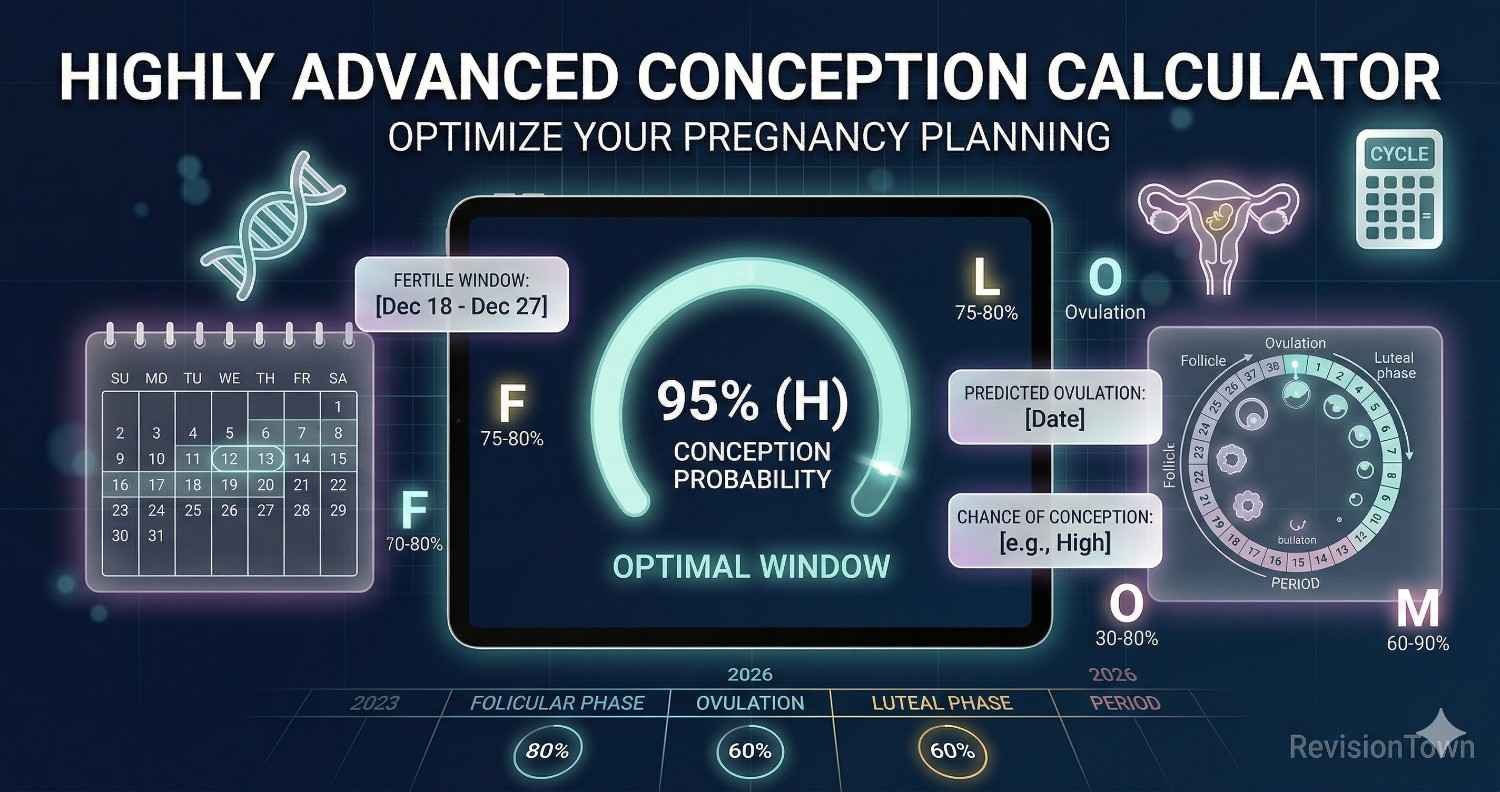
The fertile window is the three-day window during which the probability of a woman conceiving is highest. Conception is usually defined as the initiation of pregnancy, when an egg is fertilized. This can occur either through in vitro fertilization, or sexual intercourse. In the case of sexual intercourse, sperm remains viable inside a woman’s body for up to 5 days (possibly 7 days in some cases). As such, when attempting to conceive, regular sexual intercourse 5 days before as well as on the day of ovulation, can increase the probability of successfully conceiving. This is known as the fertile window. Furthermore, studies have shown that within this window, the last 3 days are the most fertile days, and sexual intercourse during this period will result in pregnancy in approximately 30% of cases.
Love and Childbearing
The desire to have a child is all about love for your partner, and for the child you will watch grow up.
Deep as this desire is in most couples, life often gets in the way. We stress and worry as a result of work, and spend most of our time dealing with day-to-day distractions and chores. As a result, we do not find the time or do not have the desire to make love as much as we might like to.
Yet, the first thing to know when you are trying to have a baby is that regular sex with your partner is the best preparation of all. When you are trying to have a baby, you should make love regularly – at least 2 to 3 times a week – even when you do not necessarily believe you are fertile or are near your ovulation day.
Regular lovemaking prepares the woman’s body for childbearing, and raises the hormonal level associated with it. Low fertility itself is directly associated with lowered feelings of sexuality. Your lifestyle and relationships all enhance the chances of conception.
Regular lovemaking also creates more favorable conditions in the vagina. The presence of fertile-quality (or egg-white) cervical mucus fosters fertility by creating more favorable vaginal conditions that assist in protecting the sperm and extending the sperm life span, effectively extending the fertile window.
Making the Fertility Window Work for You
With a pattern of regular lovemaking achieved, the next thing to do is identify that handful of days directly prior to, and including the day of ovulation. Identifying this “window” will significantly boost your chances of conception.
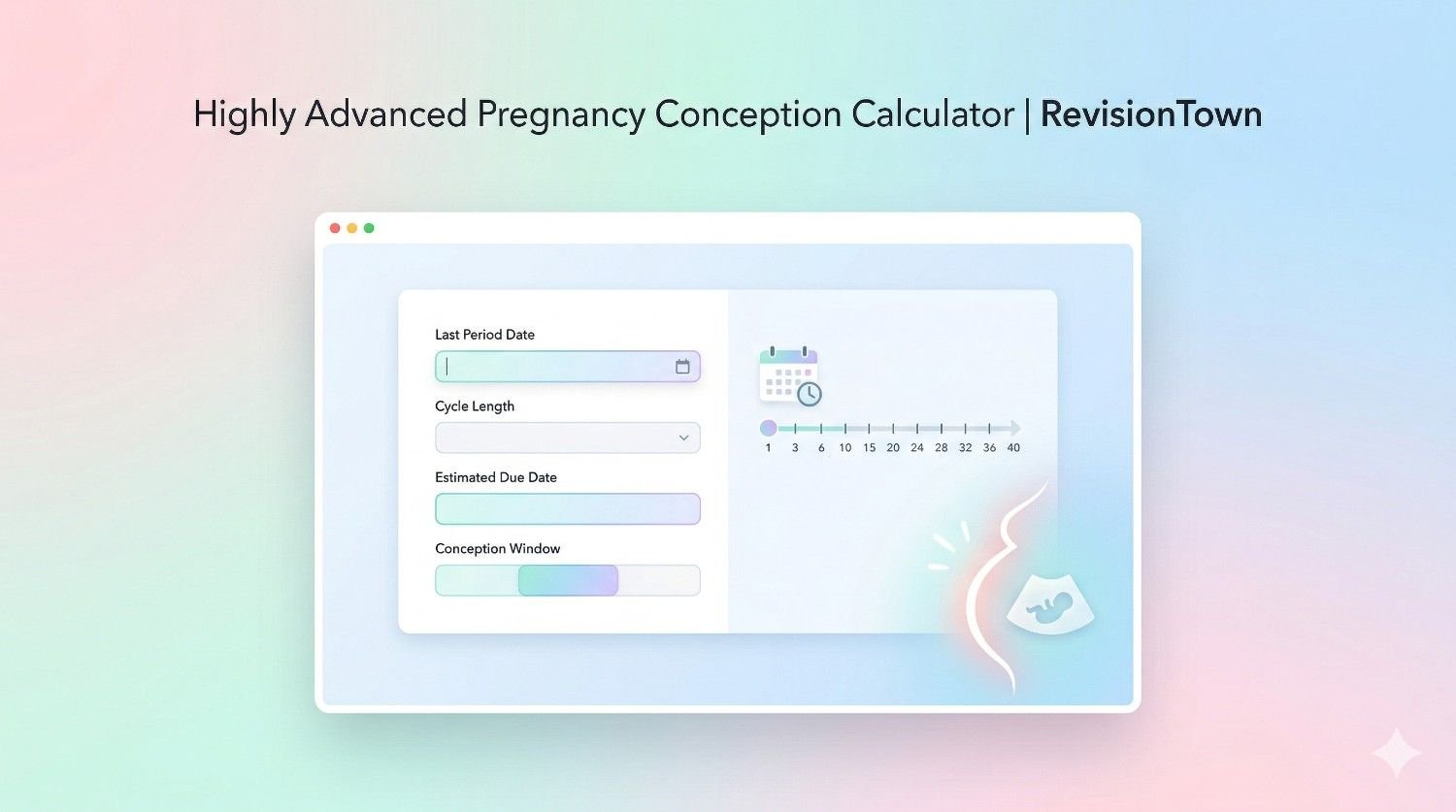
The above conception calculator can help with the process of tracking your personal biological cycle, and thereby assist you in determining your fertility window. To use the calculator, note the first day of your last period. Then note the length of the cycle until your next period. Finally, input the numbers into the calculator and get an estimate of the best days for intercourse and conception.
You can help the process along by keeping a basal body temperature chart. Tracking your basal body temperature and your cervical mucus can help you get pregnant. The patterns you see month after month can help you predict ovulation, and once you know when you’re likely to ovulate, you can have sex (or plan insemination) at the best time for conceiving.
Your basal body temperature is the lowest body temperature in a 24-hour period. To get an accurate reading, you must take your temperature when you first wake up in the morning, before you even sit up in bed. And you’ll need to use a basal thermometer (available at most pharmacies) which is sensitive enough to measure minute changes in body temperature. Try to wake up and take a reading at about the same time each morning.
Before ovulation, your basal body temperature will be in the normal range – from about 97.2 degrees to about 97.7 degrees Fahrenheit. Two or three days after you ovulate, the temperature will rise by about one-half to one degree, and it will remain at that level until you have your period.
As for your cervical mucus, when your period is over, you’ll most likely be dry for several days. After that, you’ll start to have cloudy mucus that’s a bit like a sticky paste.
A few days before ovulation, the mucus will become clear and slippery, very much like raw egg white, and you’ll have more of it. This lasts until the day of ovulation.
As you track these changes in both body temperature and cervical mucus, you’ll begin to make out your own biological pattern. You’ll know, more or less, when to expect these changes. Working with the calculator, and this tracking, you’ll be able to vastly increase your chances of becoming pregnant.
If you’ve been keeping track for a few months and you find that you ovulate on a different day each month of the cycle, (for example, day 14, then day 17, then day 12), you need to make use of a combination of the signals. Perhaps your cervical mucus changes on a certain day before you ovulate. Or you note a particular change in temperature. A pattern of one type or another usually emerges if you track carefully and accurately.
Follow Your Feelings
Many women find the tracking process attractive, as a means to get closer to their own bodies.
But some women find the charting too stressful. With so many things to worry about in life, they may not care to add another.
If stress is an issue, experts say that you should just try to have sex every two days as a minimum. If you can keep that going, you have an excellent chance of hitting a day when your body conditions are favorable. Sperm live up to seven days in the woman’s body, so increased contact can only work in your favor.
After all, feeling good and loving is an essential part of the process, and perhaps the most important part.