SAT Other Helpful Resources: Official Practice, Books, and Study Tools
This page organizes the most useful SAT resources for students preparing for the current digital SAT. It explains which resources should come first, how to use official practice tests, when older SAT books still help, why SAT Subject Test materials are now legacy resources, and how to build a study plan that turns resources into score improvement instead of a long list of unused PDFs.
Important update: SAT Subject Tests, also known as SAT II tests, were discontinued in 2021. Older SAT-II Biology, SAT-II Physics, SAT-II History, SAT-II Math, and similar books can still help with subject knowledge, but they are not current SAT exams. For the active SAT, prioritize official digital SAT practice, Bluebook, current Reading and Writing skills, current Math domains, and updated score review.
Best SAT Resources to Use First
The best SAT resource is not always the biggest book, the longest PDF, or the most famous brand. The best resource is the one that matches the current test, shows you your weaknesses, gives you enough practice to fix those weaknesses, and helps you review mistakes properly. For the current SAT, that usually means starting with official College Board practice, then using targeted skill practice for Reading and Writing and Math, then adding books only where they solve a specific problem.
The modern SAT is digital, shorter than the old paper test, and built around two main sections: Reading and Writing, and Math. Practice should reflect that structure. A student preparing only from old SAT-I or SAT-II books can still learn useful grammar, algebra, vocabulary-in-context, data analysis, and science-reading skills, but they may miss digital pacing, adaptive modules, the current question style, and the way official practice scores should be reviewed.
A strong SAT resource stack has five parts. First, use one official full-length practice test to establish a baseline. Second, study the test structure so you know what each section measures. Third, build targeted practice blocks for the weakest domains. Fourth, keep an error log that records why each missed question happened. Fifth, retest under realistic conditions and use the score report to adjust the next week of study.
Start with official practice
Official practice is closest to the real SAT. Use it for diagnostics, timing, adaptive-test familiarity, and final rehearsal.
Add targeted review
Once you know your weak domains, use focused practice for grammar, reading, algebra, advanced math, problem solving, and data analysis.
Use books selectively
Books are helpful for teaching concepts, but old books should not control your timing, scoring expectations, or digital SAT strategy.
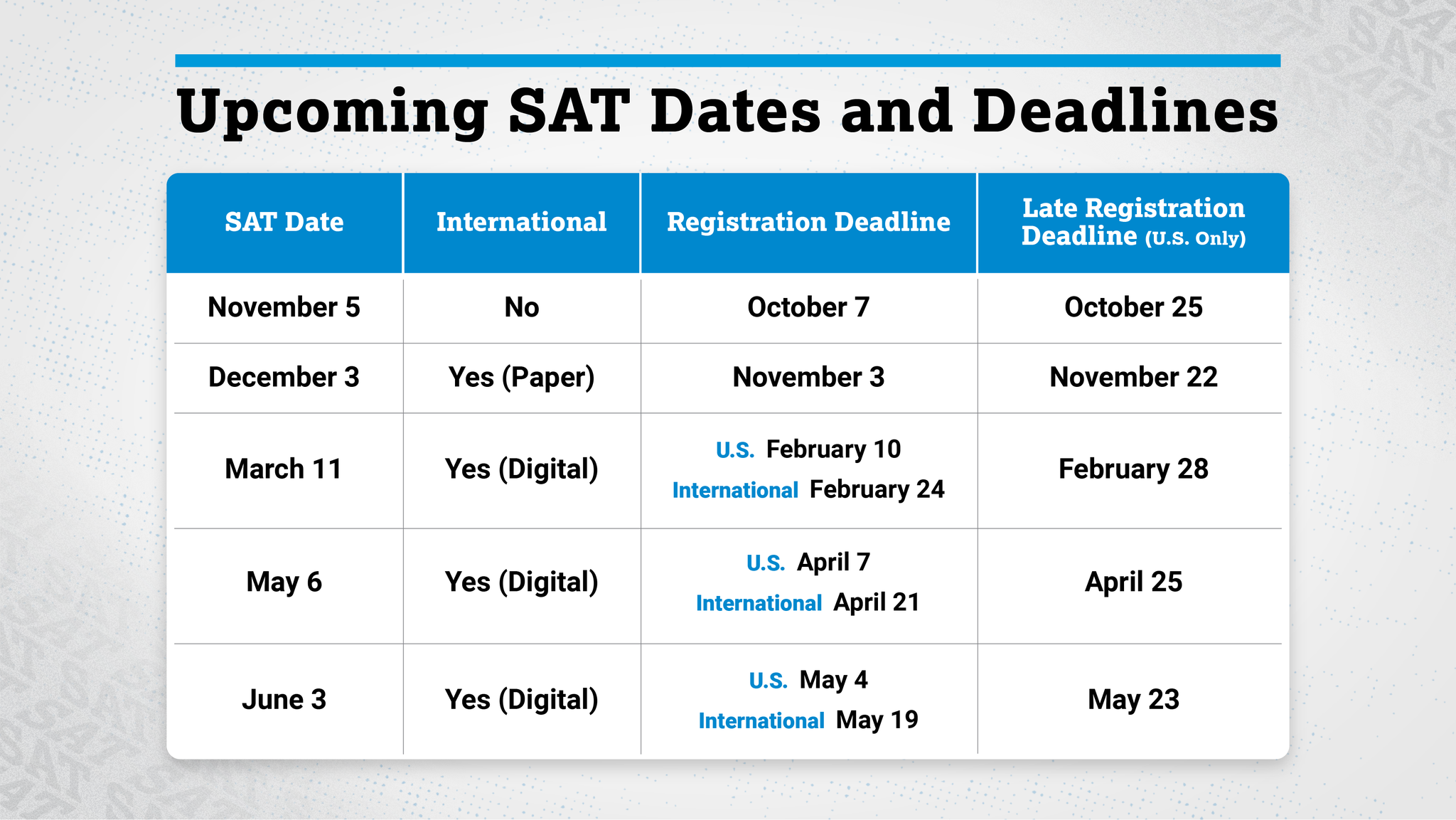
If you need a broader SAT starting point, begin with RevisionTown's SAT hub. For a practical sequence of lessons and test-prep advice, use the SAT exam preparation page before jumping into individual books. If your test date is approaching, check the active SAT dates and deadlines page so that your resource plan matches the actual registration and test calendar.
What Changed With the Digital SAT
Many older SAT resources were created for a different test. The current SAT is administered digitally through the Bluebook testing application. It has two sections: Reading and Writing, and Math. Each section is divided into two modules. Performance in the first module helps determine the difficulty mix of the second module, which is why current practice should include official digital practice rather than only old paper tests.
College Board describes the current SAT as 64 minutes for Reading and Writing and 70 minutes for Math, for 2 hours and 14 minutes of testing time, not counting the break. Reading and Writing has 54 questions. Math has 44 questions. Both sections are divided into two equal modules. This structure changes how students should practice pacing. Old strategies based on the long Reading section, separate Writing and Language section, or no-calculator Math section need to be updated.
The biggest practical change is that students must learn the digital environment. They need to know how to flag questions, use the built-in tools, monitor time within a module, and move efficiently through shorter passages. They also need to understand that the second module can feel different from the first because of multistage adaptive testing. A student who uses only printed worksheets may improve content knowledge but still feel unfamiliar with the real testing workflow.
| Area | Current digital SAT reality | Resource implication |
|---|---|---|
| Test delivery | Digital test through Bluebook for standard administrations. | Use Bluebook practice before test day so the app is not new. |
| Sections | Reading and Writing, then Math. | Do not rely on old section labels without translating them to current skills. |
| Modules | Each section has two modules. | Practice module pacing and avoid spending too long on early questions. |
| Math calculator use | Calculator use is available for the Math section. | Practice with the tools you plan to use, including the embedded calculator when appropriate. |
| Older SAT books | Many teach useful fundamentals but predate the digital format. | Use them for concepts, not as the final model of the test. |
For section-specific review, pair this page with RevisionTown's SAT Reading section overview, SAT reading practice, SAT writing practice, and SAT Math section overview. Those pages are better suited for skill-level study than a general resource index.
Official Practice Resources
Official resources should sit at the center of SAT preparation because they define the test students are actually taking. College Board provides full-length practice tests through Bluebook and downloadable nonadaptive paper practice tests for students who need paper-based practice or accommodations. College Board also points students toward My Practice, Tailored Practice, the Student Question Bank, and related practice tools.
Use official practice in a disciplined way. Do not burn through full-length tests just to feel productive. A full practice test is valuable only if you review it. After each test, record missed questions by section, domain, reason for error, and correction. If you miss a question because you did not know a rule, study the rule. If you miss it because you rushed, adjust pacing. If you miss it because you misread the question, practice annotation and answer-choice elimination.
Bluebook full-length tests
Use Bluebook for your most realistic digital practice. Take at least one full-length test in one sitting before test day so the module structure, tools, timer, and score review process feel familiar.
Paper practice tests
Use paper tests if you are approved for paper accommodations or if you need printed review. Remember that paper practice is nonadaptive, so it does not fully recreate the digital test path.
My Practice and score review
Use score details to identify strengths and growth areas. A score report is not just a result; it is a map for the next study cycle.
Student Question Bank
Use targeted question sets after you know which domains need work. This prevents random practice and keeps study time focused.
RevisionTown also has a dedicated SAT practice tests page and a page for printable SAT practice test PDFs. Use those pages when you specifically need a practice-test list. Use this page when you need to decide how all resources fit together.
RevisionTown SAT Study Stack
A helpful SAT resource page should not throw every link at every student. Different students need different tools depending on their current score, target score, test date, and weakest domains. The following RevisionTown stack keeps the links natural: start broad, move into sections, then use specialized tools for score planning or targeted drills.
| Need | Best RevisionTown resource | How to use it |
|---|---|---|
| General SAT orientation | SAT hub | Use as the starting page for SAT topics, prep resources, and navigation. |
| Study plan and preparation overview | SAT exam preparation | Use before choosing books so you know what a complete prep cycle should include. |
| Current or upcoming test dates | SAT test dates 2026 prep guide | Use to reverse-plan registration, diagnostic testing, review weeks, and final practice. |
| International date planning | College Board international SAT dates and deadlines | Use if you are testing outside the United States and need date/deadline context. |
| Reading and Writing structure | SAT Reading section overview | Use to understand question types, passage style, and reading strategy. |
| Reading practice | SAT reading practice | Use for regular reading drills after you understand the section format. |
| Grammar and conventions | Standard English Conventions SAT practice | Use for punctuation, sentence structure, agreement, and grammar accuracy. |
| Math overview | SAT Mathematics | Use to organize algebra, advanced math, problem solving, data analysis, geometry, and trigonometry review. |
| Math flashcards | SAT flashcards math | Use for quick recall of formulas, rules, and common problem patterns. |
| Hard math practice | Hard SAT math questions | Use after foundations are stable and you need higher-difficulty practice. |
| Score planning | SAT score calculator | Use to think about section-score combinations and target planning. |
| Score report interpretation | How students get College Board SAT scores | Use after a real or practice test to understand score access and next steps. |
Legacy SAT Book and SAT-II Resource Index
The original resource list for this page contains many SAT-II and older SAT book titles. The titles are useful to preserve because students may still encounter them in school libraries, tutoring centers, older folders, or family study materials. However, they should be labeled correctly. SAT Subject Tests were discontinued, and older SAT books may not match the current digital SAT structure.
Use the table below as a relevance guide, not as a claim that every older book is current. If you use a legacy book, use a lawful copy from a publisher, library, school, or authorized platform. Do not let legacy material replace current official practice. The best use is targeted concept review: algebra from old math books, grammar drills from old writing books, reading stamina from old critical reading books, and subject knowledge from SAT-II books when it supports school coursework or AP/IB preparation.
| Legacy resource title | Resource type | Best current use | Current SAT relevance |
|---|---|---|---|
| SAT-II-Biology | Subject Test book | Biology content review for school, AP, or IB support. | Legacy; not a current SAT exam. |
| SAT-II-History | Subject Test book | History content review and document-reading background. | Legacy; use only for subject knowledge. |
| SAT-II-Math | Subject Test book | Advanced algebra, functions, and precalculus reinforcement. | Partly useful for math strength, but not aligned to the current SAT format. |
| SAT-II-Physics-(Gary-Graff) | Subject Test book | Physics concept review. | Legacy; not direct SAT preparation. |
| SAT-II-Physics-(SN) | Subject Test book | Physics content practice if legally available. | Legacy; not direct SAT preparation. |
| SAT-II-Physics | Subject Test book | Physics formulas, graphs, and conceptual review. | Legacy; useful only outside current SAT prep. |
| SAT-II-Subject-Tests | Subject Test collection | Historical overview of subject-test style questions. | Legacy; discontinued exam family. |
| SAT-II-Success-Literature | Subject Test book | Literary reading practice and close-reading vocabulary. | Some reading value, but old format. |
| SAT-II-Success-Physics | Subject Test book | Physics subject review. | Legacy; not current SAT Math or Reading and Writing. |
| SAT-Master-the-SAT | General SAT book | Broad foundational review and strategy comparison. | Check edition date before using for current SAT strategy. |
| SAT-Master-the-SAT-Subject-Test-Math-Level-1-and-2 | Subject Test math book | Algebra, functions, geometry, and trigonometry depth. | Good for math foundations; not current SAT timing/scoring. |
| SAT-Math-Essentials | Math book | Core arithmetic, algebra, geometry, and problem-solving review. | Useful if paired with current digital SAT math practice. |
| SAT-New-SAT-Critical-Reading-Workbook | Reading workbook | Reading comprehension and vocabulary-in-context habits. | Partly useful, but current Reading and Writing uses shorter passages. |
| SAT-New-SAT-Math-Workbook | Math workbook | Math drill volume and concept repetition. | Useful for fundamentals; update strategy for calculator-enabled digital Math. |
| SAT-New-SAT-Writing-Workbook | Writing workbook | Grammar, punctuation, transitions, and sentence logic. | Often useful for current Standard English Conventions. |
| SAT-Study | General study guide | Study organization if the advice is still sound. | Use cautiously; verify against current digital SAT structure. |
| SAT-Ultimate-New-SAT-Toolkit | General toolkit | Broad review and practice organization. | Legacy; helpful only after filtering outdated format advice. |
| SAT-Writing-Essentials | Writing book | Grammar and editing fundamentals. | Useful for conventions, but ignore outdated essay emphasis if present. |
| Taking-the-SAT-I-Reasoning-Test | Old SAT guide | Historical orientation and older question style. | Mostly legacy; not a current test model. |
| Ultimate-New-SAT-Toolkit | General toolkit | Extra drills and study structure. | Legacy; use selectively. |
| 10-Secrets-High-School-Test | Test-taking guide | General test habits, confidence, and planning. | Only broadly relevant; not SAT-specific enough alone. |
| 1000-Common-SAT-Words | Vocabulary list | Vocabulary-in-context awareness. | Use for reading fluency, but do not memorize words without context practice. |
| Acing-the-SAT-Common-Exam | General prep book | Foundational strategies and practice. | Check edition and align with digital SAT practice. |
| Barrons-How-To-Prepare-For-The-SAT-2008-Edition | Old SAT prep book | Extra math/grammar drills if already available legally. | Very old; not current for format or scoring. |
| Mastering-the-SAT-Critical-Reading-Test | Reading book | Reading discipline, inference, and vocabulary-in-context practice. | Partly useful, but adapt to shorter digital passages. |
| Master-the-SAT | General SAT book | General skills review. | Use only after checking edition date. |
| Master-the-SAT-Subject-Test-Math-Level-1-and-2 | Subject Test math book | Math depth beyond the baseline SAT. | Useful for strong students seeking extra math challenge; not direct format prep. |
| McGraw-Hill's SAT, 2009 | Old SAT prep book | Additional drill practice if legally available. | Very old; use only for durable fundamentals. |
| New-SAT-Critical-Reading-Workbook | Reading workbook | Reading comprehension and answer-choice analysis. | Partly useful; update for current Reading and Writing modules. |
| New-SAT-Math-Workbook | Math workbook | Algebra and problem-solving repetition. | Useful for concepts, not current digital timing. |
| New-SAT-Writing-Workbook | Writing workbook | Grammar, usage, sentence correction, and editing practice. | Useful for conventions if paired with current official questions. |
Use legacy resources responsibly: Some older book titles are copyrighted commercial materials. Use publisher-approved copies, school-library copies, or other lawful access routes. For current SAT preparation, legal access matters and current alignment matters. A legally obtained old book is still not enough if it teaches outdated format assumptions.
How to Turn Resources Into a Study Plan
A common SAT prep mistake is collecting resources without building a system. A student downloads PDFs, bookmarks practice tests, opens three books, watches random videos, and still does not know what improved. SAT resources become useful only when they are assigned to a job. A diagnostic test finds weaknesses. A lesson explains a missing skill. A drill builds accuracy. A timed set builds pacing. A full-length test measures whether the improvement holds.
Start by choosing a target test date. Then work backward. If you have twelve weeks, you can run three complete cycles: diagnostic, targeted study, practice test, review. If you have six weeks, you need fewer resources and tighter focus. If you have two weeks, do not start five books. Use official practice, review high-yield mistakes, rehearse timing, and protect sleep.
Take a diagnostic test
Use an official practice test or the best available current-format practice. Record the total score, Reading and Writing score, Math score, and missed questions by domain.
Build an error log
For every missed or guessed question, record the topic, why you missed it, the correct solution, and the action needed. The error log is more valuable than another untouched resource.
Choose one main resource per weakness
If punctuation is weak, use writing practice. If linear equations are weak, use SAT math practice. If you miss hard algebra, use advanced math drills. Avoid switching resources every day.
Practice in short timed sets
Untimed learning is fine at first, but SAT performance requires timed decisions. Use short timed sets before jumping into another full-length test.
Retest and adjust
After one or two weeks of targeted practice, take another timed section or full test. Compare domain changes, not just total score.
Students aiming for a top score should read RevisionTown's how to get a 1500 on the SAT guide after their fundamentals are stable. That type of goal requires a different resource strategy: fewer careless errors, stronger pacing, deeper review of hard questions, and comfort with the upper module difficulty.
SAT Planning Formulas
SAT preparation is not only about content. It is also about time allocation, score goals, and mistake reduction. The following formulas can be rendered with MathJax and used to make planning more concrete.
Total score
The SAT total score is the sum of the Reading and Writing section score and the Math section score:
Target score gap
Use the score gap to decide whether your plan needs broad review or targeted refinement:
A gap of 40 to 80 points may be improved through review of a few repeated mistakes. A gap of 150 or more points usually requires a deeper content plan, more time, and multiple review cycles.
Time per question
Current SAT pacing can be estimated from section time and question count:
These are averages, not strict rules. Some questions should take less time so that harder questions can take more. The point is to avoid spending three minutes on a question that is not moving.
Accuracy rate
Track accuracy by section and by domain:
Careless error rate
Careless errors need different treatment from content gaps. Use this formula after each practice set:
If the careless error rate is high, do not just study harder topics. Improve annotation, scratch work, answer checking, and time decisions.
Study-hour allocation
When you have multiple weak areas, assign time by weakness weight:
For example, if Math is twice as weak as Reading and Writing, it should receive more study time. But do not ignore a stronger section completely; maintaining strengths is part of score stability.
Resources by Score Band
Students at different score levels need different resource choices. A student at 980 needs foundational repair and confidence. A student at 1250 needs targeted accuracy and pacing. A student at 1450 needs high-difficulty review, careless-error control, and final score optimization. Using the wrong resource at the wrong time wastes effort.
| Practice score range | Main resource priority | What to avoid | Best next action |
|---|---|---|---|
| Below 1000 | Core grammar, core algebra, arithmetic fluency, basic reading accuracy. | Jumping into hard-question compilations too early. | Use foundational SAT Math and Reading/Writing practice before full-test overload. |
| 1000-1190 | Domain-by-domain review and short timed sets. | Only reading explanations without redoing similar questions. | Build an error log and retest weak domains weekly. |
| 1200-1390 | Timing, medium-hard questions, grammar precision, algebraic modeling. | Too many passive videos and not enough timed practice. | Alternate targeted drills with full-section review. |
| 1400+ | Hard questions, careless-error reduction, final pacing, score report analysis. | Relearning easy topics that are already stable. | Use hard math sets, advanced reading review, and full official practice under test conditions. |
If you are comparing SAT and ACT planning, RevisionTown's ACT guide for registration, prep, practice, and SAT vs ACT can help you decide whether to focus on one test or compare both. If you already have one score and need a rough comparison, use the ACT to SAT converter as a planning tool, not as an admissions guarantee.
Reading and Writing Resources
Reading and Writing on the current SAT rewards precise reading, grammar control, rhetorical judgment, and efficient answer-choice elimination. Older critical reading books can build stamina and inference skills, but current practice should include short-passage questions and Standard English Conventions. The goal is not to read faster in a vague way; it is to read the task, find the evidence, and select the answer that fits the text exactly.
For vocabulary, avoid memorizing giant lists without context. The current SAT is more likely to reward words in context than isolated dictionary recall. A list such as "1000 Common SAT Words" can be useful only if you convert words into sentence-level practice. Ask: what is the word doing in this sentence? Is the tone positive, negative, neutral, formal, or scientific? Which answer choice fits the logic of the passage?
For grammar, old writing workbooks remain useful when they teach punctuation, subject-verb agreement, pronoun clarity, modifiers, transitions, and sentence boundaries. But if a book spends too much time on outdated essay strategy or old section timing, skip those parts. Use the grammar lessons, then confirm with current-style practice questions.
Best use of old reading books
Use them for inference, tone, evidence, and careful answer analysis. Do not assume old long-passage timing matches the current Reading and Writing modules.
Best use of writing books
Use them for grammar rules and editing logic. Then practice current Standard English Conventions questions so the skill transfers.
Math Resources
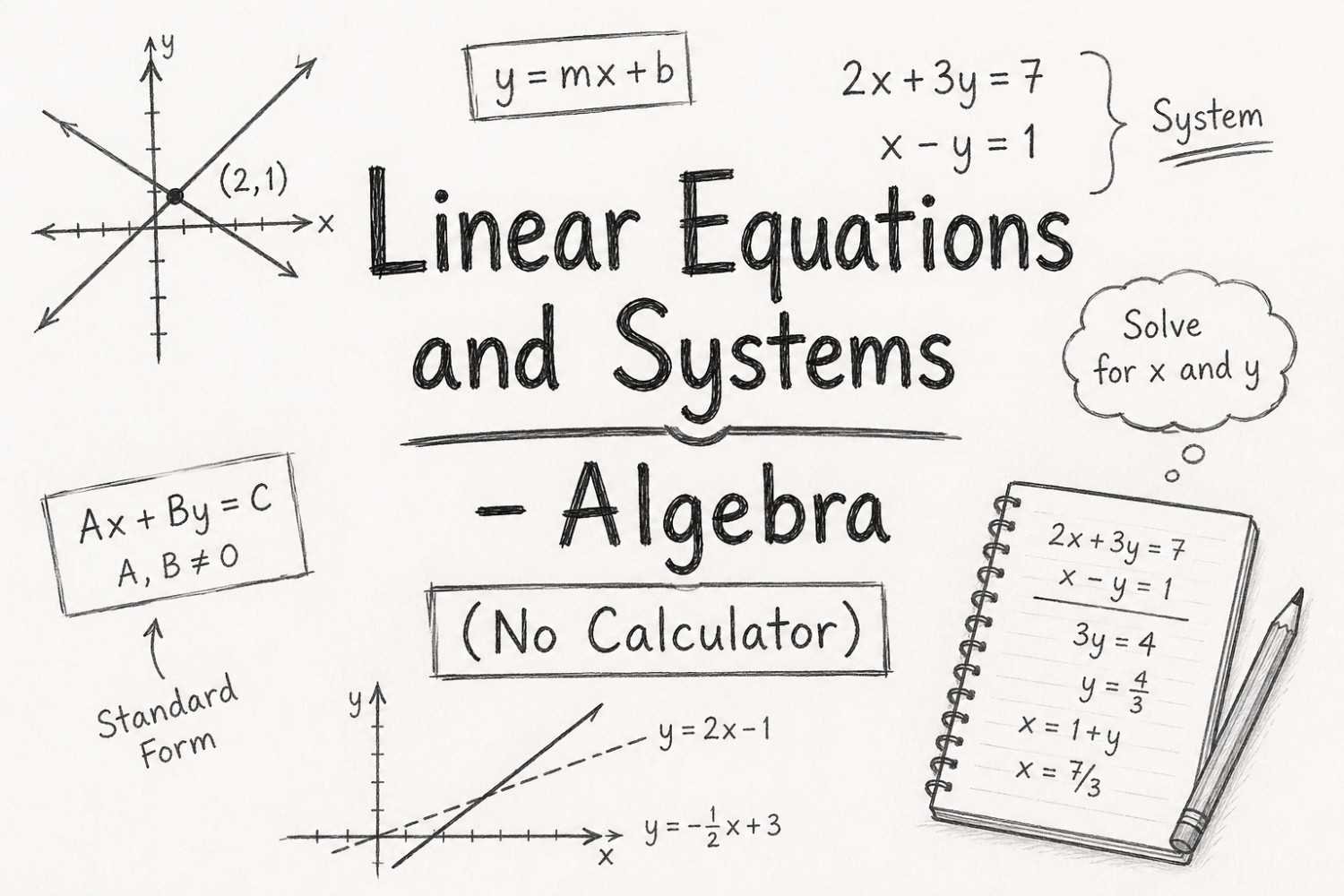
SAT Math preparation should be built around topics, not just random problem sets. The current SAT Math section includes algebra, advanced math, problem solving and data analysis, geometry, and trigonometry. Many older math books still teach useful skills, especially equations, systems, functions, exponents, radicals, quadratics, ratios, percentages, geometry, and coordinate plane reasoning.
The risk is that old books may train students for old timing or old calculator rules. The current Math section allows calculator use throughout the Math section, and students should practice deciding when a calculator helps and when algebra is faster. A calculator is not a replacement for structure. Strong students still solve many questions by recognizing forms, simplifying expressions, and using constraints before reaching for computation.
Use SAT-II Math Level 1 and 2 books only when you want extra depth. They can strengthen functions, trigonometry, and advanced algebra, but they are not necessary for every SAT student. A student missing linear equations and percentages should not begin with the hardest Subject Test math material. Build foundations first, then add challenge.
Math resource rule: If a practice set does not produce an error log, it is entertainment, not training. Every missed math question should produce one next action: learn a rule, redo a method, memorize a formula, improve calculator use, or slow down on reading the question.
How to Choose Between Books, Practice Tests, Videos, and Flashcards
Different resource formats solve different problems. Books are strong for explanations and structured topic review. Practice tests are strong for diagnosis and stamina. Videos are strong for seeing a method demonstrated, but weak if watched passively. Flashcards are strong for quick recall, but weak for full problem solving unless paired with application. A balanced SAT plan uses each format for its natural job.
| Resource type | Best for | Weakness | How to use well |
|---|---|---|---|
| Official practice tests | Realistic timing, score estimation, digital workflow. | Limited supply; wasted if not reviewed. | Take under test conditions and spend at least as long reviewing as testing. |
| Books | Structured explanations, concept review, topic drills. | May be outdated or too broad. | Use chapters that match your error log. |
| Videos | Seeing a method step by step. | Passive watching feels productive but may not improve accuracy. | Pause, solve first, then compare the method. |
| Flashcards | Fast recall of formulas, grammar rules, and common traps. | They do not replace full questions. | Use them for warmups and spaced repetition. |
| Error log | Personalized diagnosis. | Requires honesty and consistency. | Review it weekly and choose resources based on patterns. |
Final Week Resource Strategy
The final week before the SAT is not the time to start every old book in the archive. The best final-week resources are official practice review, high-yield notes, error-log patterns, formula recall, grammar rules, and Bluebook familiarity. A student can still improve in the final week, but the goal should be stability: fewer careless errors, better pacing, and confidence with the testing interface.
Do one realistic practice section or full test early enough that you can review it without exhausting yourself. Revisit the mistakes you keep repeating. For Reading and Writing, review punctuation, transitions, command of evidence, and words in context. For Math, review equations, functions, ratios, percentages, exponents, geometry formulas, and data interpretation. Do not try to learn an entire advanced math book in the last two days.
On the day before the test, prioritize logistics. Confirm test center or school-day details, device readiness, admission ticket or required identification, calculator plan, snacks, sleep, and transportation. A resource plan fails if the student arrives tired, stressed, or unfamiliar with the digital setup.
12-Week SAT Resource Plan
A 12-week timeline is long enough to use resources properly without rushing. The plan below assumes the student can study three to five days per week. Students with more time can add review days; students with less time should compress the plan by removing lower-priority books, not by skipping official practice review. The sequence matters: diagnose, learn, drill, review, retest, refine.
The plan also prevents a common mistake: spending the first month reading a prep book without answering enough current SAT questions. Reading explanations is useful only when followed by retrieval and application. Every week should include active work: solving, checking, explaining, rewriting, redoing, and timing.
| Week | Main goal | Resource focus | Output by end of week |
|---|---|---|---|
| 1 | Baseline and setup | Official practice test, Bluebook setup, SAT structure overview. | Baseline score, domain list, first error log. |
| 2 | Core Reading and Writing review | Grammar rules, transitions, words in context, short-passage reading. | Two timed Reading and Writing sets with reviewed errors. |
| 3 | Core Math review | Linear equations, systems, percentages, ratios, functions. | Math topic checklist and corrected solution notes. |
| 4 | First retest cycle | Timed section practice and score review. | Updated score estimate and top five recurring mistakes. |
| 5 | Advanced Reading and Writing | Command of evidence, rhetorical synthesis, punctuation precision. | Reduced grammar misses and better passage annotation habits. |
| 6 | Advanced Math | Quadratics, nonlinear equations, functions, geometry, trigonometry. | Hard-problem notebook with solved examples. |
| 7 | Full-length test and review | Official full-length practice, score report, error log. | Second full score and revised study priorities. |
| 8 | Weakness repair | Only the two or three weakest domains. | Short timed sets showing improved accuracy. |
| 9 | Pacing and module strategy | Timed modules, flagging strategy, skip-return decisions. | Personal pacing rules for each section. |
| 10 | Final content gaps | Formula recall, grammar review, advanced math traps. | One-page review sheet and cleaned error log. |
| 11 | Final full practice | Official practice under test-like conditions. | Final score estimate and test-day plan. |
| 12 | Stabilize | Light review, logistics, sleep, confidence-building drills. | Ready checklist, no new major resources. |
The 12-week plan is flexible. A student already scoring near target may spend less time on content and more time on precision. A student with major algebra gaps may need to slow down and spend several weeks on foundations before another full-length test. The key is to let evidence drive the plan. If the error log says most misses are punctuation, the next resource should be conventions practice. If it says most misses are quadratic modeling, the next resource should be advanced math practice, not another general test-taking video.
Map Resources to SAT Skill Domains
Resources become more powerful when they are mapped to the skills the SAT actually measures. A student who says "I am bad at Reading" has not yet identified a workable problem. A student who says "I miss words-in-context questions when the answer choices are close" has a study target. The same is true for Math. "I am bad at Math" is too broad. "I make sign errors in systems of equations and struggle with quadratic vertex form" is actionable.
Reading and Writing domain examples
- Words in context and precise vocabulary.
- Central ideas, details, and evidence.
- Inferences from short passages.
- Text structure and rhetorical purpose.
- Transitions and logical relationships.
- Boundaries, punctuation, agreement, and grammar.
- Expression of ideas and concise wording.
Math domain examples
- Linear equations and inequalities.
- Systems of equations.
- Functions and function notation.
- Quadratics and nonlinear expressions.
- Ratios, rates, percentages, and units.
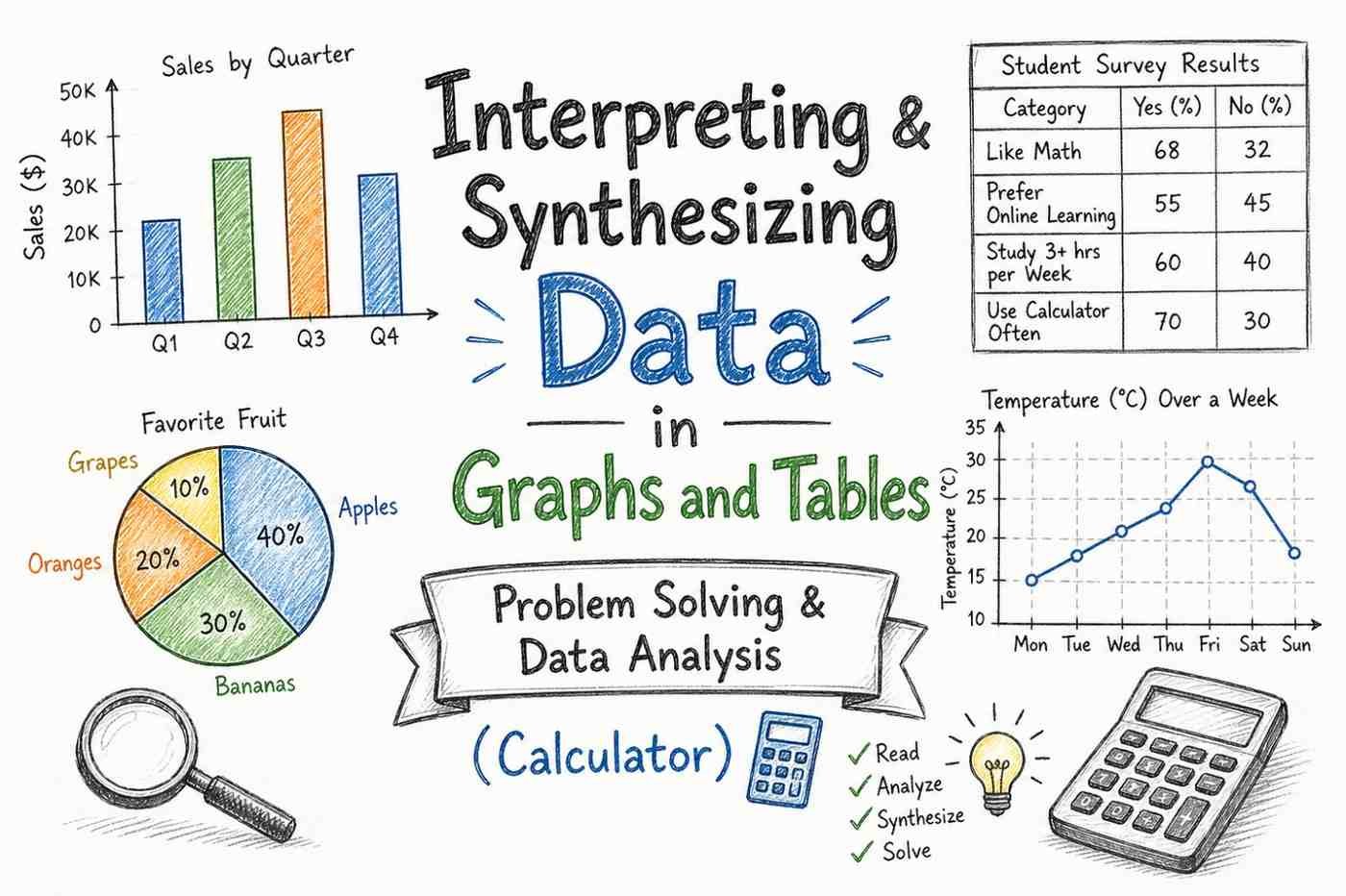
- Data analysis, statistics, and probability.
- Geometry, trigonometry, and coordinate geometry.
Once each weakness is named, choosing resources becomes easier. Grammar weaknesses call for writing practice, not a full SAT math book. Function weaknesses call for algebra and graphing practice, not more vocabulary review. This is why score reports and error logs matter. They turn the resource list from a library into a training plan.
For Reading and Writing, current-style practice is especially important because the digital SAT uses short passages and question-specific tasks. Older critical reading workbooks can still help students learn inference and tone, but they may overtrain long-passage endurance and undertrain short-passage precision. For Math, older books are often more reusable because algebra does not expire. Still, students should practice current SAT math style and calculator decisions before test day.
Error Log Workflow for SAT Resources
The error log is the bridge between resources and improvement. Without it, students often repeat the same mistakes across multiple books. With it, every resource has a purpose. The error log should be simple enough to maintain, but detailed enough to expose patterns. A spreadsheet, notebook, or printable table can all work.
| Error log field | What to write | Example |
|---|---|---|
| Date and resource | Where the question came from. | Bluebook Practice Test, Math Module 2. |
| Question type | The skill or domain being tested. | Quadratic equation, words in context, transition, linear model. |
| Why I missed it | The real reason, not just "I got it wrong." | Misread "least"; forgot to distribute negative sign; chose too broad an answer. |
| Correct method | The cleanest solution or decision rule. | Set both expressions equal, isolate x, check answer in original equation. |
| Next action | The resource or drill needed next. | Do 15 systems questions; review comma rules; redo hard evidence questions. |
| Redo date | When you will solve it again without looking. | Three days later, then one week later if still weak. |
A good error log separates content errors from process errors. Content errors mean the student did not know the rule or method. Process errors mean the student knew enough but lost points through pacing, misreading, messy work, or answer-choice traps. The resource choice should match the error type. Content errors need lessons and drills. Process errors need timed practice, better notation, and review habits.
Students should review the error log at least once per week. The weekly review should answer three questions: which mistake happened most often, which mistake cost the most points, and which mistake is easiest to fix next? A student who fixes the most common careless error can sometimes gain more points than a student who spends hours on a rare hard topic.
Books vs Official Practice: How to Balance Them
Books and official practice are not enemies. They do different jobs. Official practice shows the test as it is. Books teach, explain, and provide extra repetition. The mistake is using a book as if it were the current test, or using official practice as if it were a textbook. A full-length official practice test is too valuable to waste as casual homework. A book chapter is too slow to use when a student only needs a quick pacing rehearsal.
A strong balance looks like this: learn a concept from a book or lesson, drill it in short sets, apply it to current-style questions, then confirm it in official practice. If the official question still goes wrong, return to the explanation and adjust the method. This cycle is more reliable than reading a book cover to cover and hoping the score rises.
Legacy books are best when they teach durable academic skills. Algebra, grammar, and careful reading remain relevant. Legacy books are weakest when they describe test format, scoring, essay expectations, or old section timing. If a book tells you to plan for a no-calculator section, separate Writing section, or SAT Subject Test registration, that part is outdated for the current SAT.
Practical balance: Use official practice to measure. Use books to learn. Use targeted drills to repair. Use the error log to decide what comes next.
Resource Quality and Access Checks
Not every SAT resource online is accurate, current, or lawful to use. Before relying on a PDF, website, or video series, check four things. First, is the resource aligned to the current digital SAT? Second, does it explain answers clearly? Third, does it come from an official, reputable, or authorized source? Fourth, does it help your specific weakness?
For old books, also check the edition date. A 2008 SAT book may have useful algebra questions, but it cannot explain the current Bluebook interface or adaptive modules. A SAT Subject Test book may have strong physics or biology practice, but it cannot prepare you for a discontinued exam. A vocabulary PDF may teach words, but the current test rewards context, not isolated memorization.
Access matters too. Many commercial prep books are copyrighted. Students should use legal copies through publishers, bookstores, libraries, schools, or other authorized access. A professional study plan should not depend on questionable downloads. Official free resources, school resources, public-library access, and current practice tools are usually safer and more reliable.
Frequently Asked Questions
What are the most helpful SAT resources?
The most helpful SAT resources are official digital practice tests, College Board practice tools, targeted Reading and Writing practice, targeted Math practice, a score review process, and an error log. Books and older PDFs can support content review, but they should not replace current official practice.
Are SAT-II books still useful?
SAT-II books are legacy resources because SAT Subject Tests were discontinued in 2021. They can still help with subject knowledge, especially math, biology, physics, literature, and history, but they are not preparation for an active SAT Subject Test. Use them only when they match a learning goal outside the current SAT format.
Should I use old SAT books for the digital SAT?
Use old SAT books selectively. Algebra, grammar, reading inference, and vocabulary-in-context practice can still help. Ignore outdated timing, essay advice, no-calculator strategy, and anything that conflicts with current digital SAT structure.
How many SAT books do I need?
Most students need fewer books than they think. One current overview resource, official practice, and targeted skill practice are usually better than five unfinished books. Add a book only when it solves a specific weakness.
What should I do after a practice test?
Review every missed and guessed question. Classify each miss as content gap, misread question, time pressure, careless calculation, grammar rule, vocabulary, or strategy. Then assign practice for the next week based on the biggest patterns.
Is Bluebook required for practice?
Bluebook is the official digital testing app, and students should use it before test day to understand the digital interface, timer, modules, tools, and score review flow. Paper practice can help, but it does not fully replace digital practice.
Where should I start if my SAT test is soon?
Start with the test date, then take or review a recent diagnostic. Focus on the highest-yield weaknesses, not on collecting new resources. Use official practice, your error log, targeted drills, and final-week logistics.
Are vocabulary lists still useful?
Vocabulary lists can help only if studied in context. The current SAT rewards understanding how a word works in a sentence or passage. Memorizing isolated definitions is less useful than practicing words in context.
Should I prepare for SAT and ACT at the same time?
Some students compare both tests early, then choose one main path. Preparing deeply for both at the same time can dilute effort. Use a diagnostic comparison, then focus on the test that better matches your strengths, deadlines, and college plans.
What is the best way to improve SAT Math?
Track math misses by topic. Learn the missing concept, redo the original question, solve similar questions, and review the method a few days later. Use harder questions only after foundations are stable.
Official Sources Used
This page was checked against current College Board SAT Suite resources on July 9, 2026. The article uses official guidance on Bluebook practice, full-length practice tests, current SAT structure, score access, and the discontinued status of SAT Subject Tests.
| Paper Type | Books |
| SAT-II-Biology | Here |
| SAT-II-History | Here |
| SAT-II-Math | Here |
| SAT-II-Physics-(Gary-Graff) | Here |
| SAT-II-Physics-(SN) | Here |
| SAT-II-Physics | Here |
| SAT-II-Subject-Tests | Here |
| SAT-II-Success-Literature | Here |
| SAT-II-Success-Physics | Here |
| SAT-Master-the-SAT | Here |
| SAT-Master-the-SAT-Subject-Test-Math-Level-1-and-2 | Here |
| SAT-Math-Essentials | Here |
| SAT-New-SAT-Critical-Reading-Workbook | Here |
| SAT-New-SAT-Math-Workbook | Here |
| SAT-New-SAT-Writing-Workbook | Here |
| SAT-Study | Here |
| SAT-Ultimate-New-SAT-Toolkit | Here |
| SAT-Writing-Essentials | Here |
| Taking-the-SAT-I-Reasoning-Test | Here |
| Ultimate-New-SAT-Toolkit | Here |
| 10-Secrets-High-School-Test | Here |
| 1000-Common-SAT-Words | Here |
| Acing-the-SAT-Common-Exam | Here |
| Barrons-How-To-Prepare-For-The-SAT-2008-Edition | Here |
| Mastering-the-SAT-Critical-Reading-Test | Here |
| Master-the-SAT | Here |
| Master-the-SAT-Subject-Test-Math-Level-1-and-2 | Here |
| McGraw-Hill’s SAT, 2009 | Here |
| New-SAT-Critical-Reading-Workbook | Here |
| New-SAT-Math-Workbook | Here |
| New-SAT-Writing-Workbook | Here |