Differences Between Marketing Goods and Services
A complete revision guide for understanding how marketing changes when a business sells a physical good instead of a service. This page explains the concept, the marketing mix, real examples, key formulas, exam-style evaluation, score guidance, common mistakes, and a responsive practice tool for students.
Quick Answer
Marketing goods and marketing services are different because customers judge them differently before, during, and after purchase. A good is usually a physical product that can be seen, touched, stored, transported, owned, returned, and compared before purchase. A service is an activity, experience, performance, or support process that is usually intangible, produced and consumed at the same time, harder to standardise, and often dependent on people, timing, trust, reputation, and customer experience.
For example, a smartphone can be displayed in a shop, photographed in detail, tested for specifications, packaged, shipped, stored in inventory, repaired, and resold. A haircut, online tutoring lesson, hotel stay, banking consultation, medical appointment, airline journey, or software support session cannot be stored in the same way. The customer may not fully know the quality until the service has been delivered. That is why service marketing often uses extra elements of the marketing mix: people, process, and physical evidence.
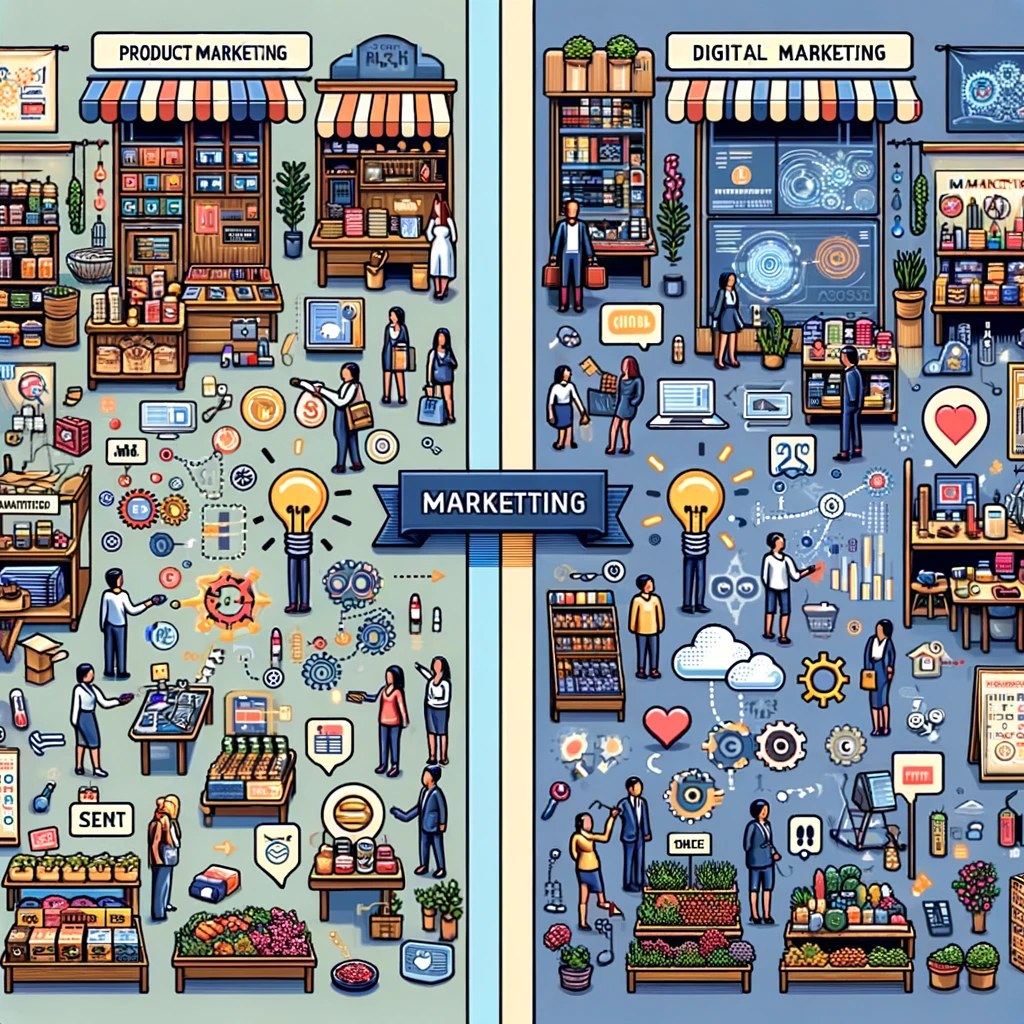
Goods vs Services: Visual Diagram
The diagram below shows the core distinction. Goods are usually easier to demonstrate before purchase, while services often require the business to build confidence before the customer experiences the outcome.
1. What Are Goods?
Goods are physical or digital products that customers can normally inspect, compare, buy, own, store, and use after purchase. A pair of shoes, a laptop, a textbook, a water bottle, a school bag, a calculator, a frozen pizza, a car, a chair, and a printed revision guide are goods. Some goods are durable, meaning they last for a long time, such as furniture or appliances. Other goods are non-durable, meaning they are consumed quickly, such as food, stationery, or cosmetics.
In goods marketing, the product itself is usually the centre of the message. The business can show the size, colour, design, quality, packaging, ingredients, specifications, warranty, durability, and performance. Customers can often compare two goods side by side before making a decision. This reduces uncertainty because the buyer can judge many features before paying.
Goods also involve inventory. A business can manufacture goods before demand appears, store them in a warehouse, distribute them to retailers, sell them through ecommerce, and manage stock levels. This creates marketing decisions about packaging, logistics, shelf placement, product display, delivery speed, returns, and product availability. A product may be excellent, but if it is not available at the right place and time, sales can be lost.
2. What Are Services?
Services are activities, benefits, performances, experiences, or problem-solving processes provided to customers. Examples include teaching, coaching, medical consultation, legal advice, banking support, hotel accommodation, airline travel, hairdressing, repair work, insurance support, entertainment streaming, software-as-a-service, and customer support. Services may use physical items, but the main value comes from the experience or outcome rather than ownership of a physical object.
The central challenge in service marketing is uncertainty. Customers often cannot fully inspect the service before buying. A student may not know whether an online tutor is effective until the lesson happens. A traveller may not know whether a hotel is clean and comfortable until arrival. A customer may not know whether a consultant gives useful advice until after the meeting. Because of this, service businesses must reduce risk through reviews, guarantees, testimonials, staff credentials, demonstrations, trial sessions, case studies, strong communication, and visible evidence of professionalism.
Services are often produced and consumed at the same time. If a restaurant table is empty at 8 p.m., that unsold service capacity cannot be stored and sold tomorrow as yesterday’s dinner experience. If a flight seat is empty after departure, that seat’s revenue opportunity is lost. This perishability makes demand management, booking systems, pricing, staff scheduling, and customer flow important in service marketing.
3. The Main Differences Between Marketing Goods and Services
| Feature | Marketing Goods | Marketing Services | Exam Point |
|---|---|---|---|
| Tangibility | Goods can usually be seen, touched, tested, displayed, and packaged. | Services are often intangible, so customers judge evidence, reputation, and trust. | Service marketing must reduce perceived risk before purchase. |
| Ownership | The customer normally owns the product after buying it. | The customer usually pays for access, performance, advice, support, or experience. | Promotion must explain the benefit, not just the item. |
| Storage | Goods can often be stored as inventory. | Services are usually perishable and cannot be stored for later sale. | Service businesses must manage demand and capacity carefully. |
| Consistency | Goods can be standardised through manufacturing and quality control. | Services may vary depending on staff, time, location, customer behaviour, and process. | Training and process design are critical for service quality. |
| Production and consumption | Production often happens before consumption. | Production and consumption often happen together. | Customer interaction becomes part of the product experience. |
| Distribution | Goods need physical or digital channels, stock control, warehousing, and delivery. | Services need accessibility, booking systems, location convenience, digital access, and staff availability. | Place is about access, not only transport. |
| Promotion | Promotion can show product features, design, packaging, price, and performance. | Promotion must show proof: reviews, results, case studies, expert credentials, and service promises. | Evidence is especially important for intangible offers. |
| After-sales | May involve warranty, returns, repair, replacement, or spare parts. | May involve follow-up, support, complaint handling, relationship management, and retention. | Customer loyalty is often built after delivery. |
4. Marketing Mix: Goods vs Services
The traditional marketing mix is often explained using the 4 Ps: product, price, place, and promotion. These four elements apply to both goods and services, but services normally require three additional elements: people, process, and physical evidence. This extended 7 Ps approach is useful because service quality is strongly influenced by human interaction, delivery systems, and visible cues that make the service feel trustworthy.
Product
For goods, product decisions include features, design, materials, quality, packaging, brand name, warranty, size, colour, and product range. The customer can often compare visible features before buying. For services, the “product” is the benefit or experience delivered. A tutoring service sells better understanding, confidence, exam readiness, and feedback, not just a one-hour call. A hotel sells comfort, safety, convenience, atmosphere, and hospitality, not only a room.
Price
Goods pricing may be based on cost plus markup, competitor prices, perceived value, product life cycle, promotions, or stock clearance. Services pricing must also consider time, expertise, demand peaks, capacity limits, and trust. A premium consultant, doctor, tutor, or designer may charge more because customers value expertise, reputation, and reduced risk. Services may use subscriptions, retainers, booking fees, hourly rates, packages, or membership pricing.
Place
Goods need distribution channels such as wholesalers, retailers, ecommerce platforms, delivery partners, warehouses, and direct-to-consumer models. Services need convenient access. Place could mean a branch location, website, mobile app, booking system, live chat, call centre, video platform, or home visit. For services, “place” often means reducing friction so the customer can access the service quickly and confidently.
Promotion
Goods promotion can use product photos, demonstrations, packaging, discount labels, influencer reviews, comparison charts, and feature-led advertising. Services promotion must make an invisible promise feel credible. It may use testimonials, before-and-after stories, free consultations, trial classes, guarantees, expert profiles, ratings, case studies, and transparent processes. The goal is not only to create attention but also to remove doubt.
People
Staff behaviour directly affects service quality. Friendly, trained, knowledgeable, and reliable employees can become a major competitive advantage. In schools, hospitals, airlines, restaurants, banks, and tutoring companies, the service is often judged through human interaction.
Process
Process means how the service is delivered. A clear booking system, fast response time, simple payment flow, transparent instructions, consistent follow-up, and complaint handling can improve customer satisfaction and reduce confusion.
Physical Evidence
Physical evidence means visible proof of quality. It includes website design, office layout, uniforms, certificates, reviews, invoices, dashboards, reports, packaging of service documents, cleanliness, and professional communication.
5. Key Service Characteristics Students Must Know
Service marketing is often explained through four key characteristics: intangibility, inseparability, variability, and perishability. These words are useful in exam answers because they give you a clear structure for explaining why a service business needs different marketing tactics from a goods-based business.
| Service Characteristic | Meaning | Marketing Response | Example |
|---|---|---|---|
| Intangibility | The service cannot be fully touched or inspected before purchase. | Use reviews, guarantees, evidence, demos, and expert credentials. | A tutoring company shares student results, sample lessons, and teacher profiles. |
| Inseparability | The service provider and customer may be involved at the same time. | Train staff, improve communication, and design customer-friendly delivery. | A restaurant experience depends on chefs, servers, and customer interaction. |
| Variability | Service quality may vary between employees, branches, or time periods. | Use standard operating procedures, training, checklists, and feedback systems. | A hotel chain tries to keep the same service standard across branches. |
| Perishability | Unused service capacity cannot usually be stored and sold later. | Use booking systems, peak pricing, off-peak discounts, and demand forecasting. | An empty airline seat after take-off cannot be sold tomorrow. |
6. Useful Marketing Formulas
Business exams often include numerical information, charts, tables, or case data. Even when the topic is mainly theory, formulas help students support analysis with evidence. The formulas below are written in MathJax so they render clearly in WordPress.
Market Share
Goods businesses may compare unit sales. Service businesses may compare bookings, subscribers, patients, users, or contracts.
Customer Acquisition Cost
CAC matters strongly for service firms because trust-building, consultations, sales calls, and onboarding may increase acquisition cost.
Customer Lifetime Value
Service businesses often focus on retention because repeat customers, subscriptions, and referrals can create long-term value.
Break-even Output
A goods business may use units sold. A service business may use appointments, memberships, rooms booked, or billable hours.
Capacity Utilisation
For services, unused capacity is a major issue. Empty hotel rooms, unused appointment slots, and unsold seats cannot be stored.
Customer Retention Rate
Services usually need strong retention strategies because loyal customers reduce marketing cost and improve word-of-mouth.
7. Interactive Goods vs Services Marketing Strategy Tool
Use this small classroom tool to decide which marketing focus is more suitable for a business scenario. It is designed for revision, teaching, and quick practice.
8. Detailed Explanation: Why Marketing Goods Is Different
Marketing goods begins with the product itself. A business must decide what features the good will have, what quality level it will offer, how it will be branded, how it will be packaged, where it will be sold, how it will be priced, and how customers will compare it with competitors. Because goods are visible, the business can use product photography, specification tables, demonstrations, samples, retail displays, packaging design, and performance comparisons to communicate value.
Packaging is especially important for goods. It protects the product, communicates the brand, provides information, improves shelf appeal, and can influence impulse purchases. A cereal box, perfume bottle, phone package, or revision book cover may influence the customer before they even use the product. For ecommerce, packaging also affects unboxing experience and online reviews. Poor packaging can damage the product or reduce perceived quality, while premium packaging can increase perceived value.
Distribution is also more visible in goods marketing. If a business sells a physical product, it must decide whether to sell directly to consumers, through retailers, through wholesalers, through marketplaces, or through a combination of channels. Distribution choices affect cost, control, delivery speed, market coverage, customer convenience, and profit margins. A direct-to-consumer brand may keep more control over customer data and brand experience, but a retailer may provide faster access to a wider market.
Goods businesses must also manage inventory. If demand is higher than expected, stockouts may disappoint customers and reduce sales. If demand is lower than expected, the business may face high storage costs, obsolete inventory, markdowns, or waste. This is why goods marketing is closely linked with operations, forecasting, production planning, and supply chain management. A successful advertising campaign can fail if the business does not have enough stock to meet demand.
Another difference is that goods can often be returned, repaired, or replaced. This makes warranties, guarantees, return policies, and after-sales service important parts of the marketing message. A laptop brand may promote a two-year warranty. A car manufacturer may promote service centres. A clothing brand may promote easy returns. These promises reduce risk and make customers more confident.
9. Detailed Explanation: Why Marketing Services Is Different
Marketing services is more dependent on trust because the customer often buys a promise before seeing the final result. A customer cannot hold a legal consultation, a fitness coaching plan, a tutoring lesson, a hotel stay, or a medical diagnosis in their hand before buying. The service may be judged through communication, reputation, reviews, professional appearance, website quality, staff behaviour, and visible proof that the provider is reliable.
Services are also more personal. A good may be produced far away and sold in a store, but a service often involves direct interaction between the customer and the provider. The same service can feel different depending on the employee, the customer’s expectations, the time of day, the location, and the process. This is why staff training, service scripts, response time, empathy, complaint handling, and consistent standards matter so much.
Physical evidence is essential in service marketing. Since the core service is intangible, customers look for signals. A clean clinic, professional website, branded invoice, organised reception area, clear dashboard, uniformed staff, customer testimonials, certificates, and transparent pricing can all make the service feel more credible. Physical evidence does not replace real quality, but it helps customers believe that quality is likely.
Process design is another major difference. A confusing process can destroy a service experience even if the technical quality is good. For example, a tutor may be knowledgeable, but if booking is difficult, reminders are unclear, payment is confusing, and feedback is delayed, the customer may feel dissatisfied. A bank may have good financial products, but long waiting times and poor communication can damage the brand. Service marketing must therefore promise and deliver a smooth journey.
Services also face capacity problems. A hotel has a limited number of rooms. A tutor has a limited number of teaching hours. A doctor has a limited number of appointments. An airline has a fixed number of seats on a flight. Once time passes, unused capacity is lost. This is why many service businesses use appointment systems, peak and off-peak pricing, memberships, reservations, waiting lists, and demand forecasting.
10. Real Business Examples
Example 1: Smartphone Brand
A smartphone is a good. The business can promote camera quality, battery life, display size, processor speed, design, warranty, packaging, accessories, and price. Customers can compare models before buying. The brand must manage stock, distribution, online reviews, retail display, and after-sales service. The marketing message can be feature-led because the product can be demonstrated clearly.
Example 2: Online Tutoring Platform
Online tutoring is a service. Students and parents care about teacher quality, trust, exam results, lesson structure, feedback, scheduling, safety, and progress tracking. The platform must show testimonials, teacher qualifications, sample lessons, clear pricing, dashboards, and support. The marketing message must reduce uncertainty because the customer cannot fully judge the service before experiencing it.
Example 3: Restaurant
A restaurant is a hybrid business. The food is tangible, but the dining experience is a service. Marketing must cover menu quality, price, location, staff behaviour, hygiene, atmosphere, waiting time, booking process, reviews, and delivery options. A restaurant can fail even with good food if the service experience is poor.
Example 4: Software Subscription
Software-as-a-service is also a hybrid form. The software has features like a product, but customers often pay for ongoing access, updates, support, reliability, and user experience. Marketing should highlight features, security, integrations, testimonials, free trials, onboarding, customer support, and measurable results.
11. Exam Course and Assessment Guidance
This topic is useful for Business Studies, Business Management, Marketing, Entrepreneurship, and Commerce courses. It commonly appears in questions about the marketing mix, market research, ecommerce, customer needs, business objectives, operations, product decisions, pricing decisions, and competitive advantage. In Cambridge IGCSE Business Studies 0450, marketing is one of the major syllabus areas, and students are expected to apply business ideas to scenarios rather than only define terms.
For Cambridge IGCSE Business Studies 0450, all candidates take two written papers. Paper 1 is Short Answer and Data Response. Paper 2 is Case Study. Each paper is 1 hour 30 minutes, each paper has 80 marks, and each paper contributes 50% of the qualification. Both papers may assess the whole syllabus, so a marketing question can link to finance, operations, people in business, business objectives, or external influences.
| Component | Duration | Marks | Weight | What Students Should Do |
|---|---|---|---|---|
| Paper 1: Short Answer and Data Response | 1 hour 30 minutes | 80 marks | 50% | Answer all questions. Use definitions, application, data interpretation, short explanations, and clear business reasoning. |
| Paper 2: Case Study | 1 hour 30 minutes | 80 marks | 50% | Use the case study, apply answers to the business, analyse options, and justify recommendations. |
Assessment Objective Weighting
| Assessment Objective | Weighting | How to Improve |
|---|---|---|
| AO1 Knowledge and understanding | 40% | Learn definitions such as goods, services, intangibility, perishability, market share, and marketing mix. |
| AO2 Application | 20% | Use the business scenario. Do not write generic points only. |
| AO3 Analysis | 25% | Explain cause and effect. Show how a decision affects costs, revenue, customer loyalty, or competitiveness. |
| AO4 Evaluation | 15% | Make a justified judgement. Compare options and explain why one option is better for the specific business. |
12. Score Guidelines and Grade-Level Expectations
High-scoring answers do not simply list differences. They explain why those differences change business decisions. A basic answer might say, “goods are tangible and services are intangible.” A stronger answer applies this to a business: “Because tutoring is intangible, parents may be uncertain about quality before paying, so the business should use trial lessons, teacher profiles, testimonials, and progress reports to reduce risk and build trust.”
| Level | Typical Response | How to Move Higher |
|---|---|---|
| Basic | Defines goods and services and gives simple examples. | Add clear differences and connect them to marketing decisions. |
| Developing | Explains tangibility, storage, ownership, and customer experience with some application. | Use the case study and explain impact on price, promotion, place, or product. |
| Strong | Analyses how goods and services require different marketing strategies. | Add balanced evaluation and consider business size, target market, competition, and cost. |
| Excellent | Gives a justified recommendation based on evidence and rejects weaker alternatives. | Use precise business vocabulary, relevant formulas, and a clear judgement. |
Exam Answer Framework
Use this structure: Define the concept → Apply it to the business → Explain the impact → Evaluate the best decision.
Example: “A service is intangible, so customers may not know the quality before buying. For an online tutoring company, this means parents may hesitate to pay for a full course. The business could offer free trial lessons, teacher profiles, student testimonials, and progress reports. This may increase trust and conversion, although it could increase marketing cost. Overall, testimonials and trial lessons are likely to be most effective because the target market wants proof of teaching quality before committing.”
13. Next Exam Timetable: Cambridge IGCSE Business Studies 0450
The timetable below is included as a helpful reference for students in Administrative Zone 4. Always confirm the final timetable with your school, exam centre, and administrative zone because Cambridge timetables are zone-specific and may be updated.
| Series | Administrative Zone | Paper | Component | Date | Session | Duration |
|---|---|---|---|---|---|---|
| November 2026 | Zone 4 | Paper 1 | Business Studies 0450/12 | Tuesday 06 October 2026 | AM | 1 hour 30 minutes |
| November 2026 | Zone 4 | Paper 2 | Business Studies 0450/22 | Friday 16 October 2026 | AM | 1 hour 30 minutes |
Note: If your centre is not in Zone 4, use the official timetable for your administrative zone. Students in India commonly use Zone 4, but every candidate should confirm with their school or exam officer.
14. Common Mistakes
- Mistake 1: Writing only definitions without explaining marketing impact.
- Mistake 2: Saying services have no product. Services still have a core product: the benefit or experience being delivered.
- Mistake 3: Ignoring people, process, and physical evidence when discussing services.
- Mistake 4: Forgetting that many businesses are hybrid. Restaurants, software subscriptions, hotels, and ecommerce brands often combine goods and services.
- Mistake 5: Giving generic answers without applying them to the business in the question.
- Mistake 6: Assuming lower price is always best. For services, a very low price can reduce perceived quality and trust.
- Mistake 7: Ignoring capacity. Services cannot always increase supply instantly because staff time, seats, rooms, or appointments may be limited.
15. Practice Questions
Short Answer Practice
- Define a good and give one example.
- Define a service and give one example.
- State two differences between marketing goods and marketing services.
- Explain why reviews are important for service businesses.
- Explain why packaging is important for goods.
Case Study Practice
A new online tutoring company wants to attract parents of IGCSE students. It offers live classes, progress reports, and exam practice. The owner is deciding whether to spend the marketing budget on social media adverts, free trial lessons, or printed flyers.
Question: Recommend the best promotional method for this service business. Justify your answer.
16. Mini Quiz
Click an answer to check your understanding.
Question: Which feature makes service marketing different from goods marketing?
17. 7-Day Revision Plan
| Day | Focus | Task |
|---|---|---|
| Day 1 | Definitions | Learn goods, services, marketing mix, intangibility, perishability, variability, and inseparability. |
| Day 2 | Comparison | Create a table comparing goods and services using examples from daily life. |
| Day 3 | Marketing Mix | Explain how product, price, place, and promotion change for goods and services. |
| Day 4 | 7 Ps | Revise people, process, and physical evidence for service businesses. |
| Day 5 | Application | Answer case questions using a restaurant, tutoring company, hotel, and smartphone brand. |
| Day 6 | Analysis | Practise cause-and-effect chains: strategy → customer response → sales/costs/profit/loyalty. |
| Day 7 | Evaluation | Write two recommendation answers and justify why one marketing strategy is better than another. |
18. Full FAQ
What is the main difference between goods and services?
Goods are usually tangible products that can be owned, stored, transported, and inspected before purchase. Services are usually intangible activities, experiences, or benefits that are consumed as they are delivered.
Why is service marketing harder than goods marketing?
Service marketing can be harder because customers cannot fully inspect the service before buying. The business must build trust using reviews, evidence, staff quality, clear processes, guarantees, and professional communication.
Do services use the 4 Ps of marketing?
Yes. Services use product, price, place, and promotion, but they often also require people, process, and physical evidence. These three extra elements help manage service quality and customer trust.
Why are reviews important for services?
Reviews reduce uncertainty. Since customers cannot fully test a service before buying, reviews provide social proof and help customers judge whether the provider is reliable.
Why is packaging more important for goods?
Packaging protects the product, communicates information, improves shelf appeal, supports branding, and affects perceived value. It can influence the customer before the product is used.
Can a business sell both goods and services?
Yes. Many businesses are hybrid. A restaurant sells food as a good and dining experience as a service. A software company may sell digital access and ongoing support. A car brand sells vehicles and after-sales service.
What does perishability mean in services?
Perishability means unused service capacity cannot usually be stored for future sale. An empty hotel room, unsold flight seat, or unused appointment slot represents lost revenue opportunity.
What is physical evidence in service marketing?
Physical evidence is visible proof that supports trust in a service. It includes website design, reviews, certificates, uniforms, office appearance, dashboards, reports, receipts, and professional communication.
How should I answer an exam question on this topic?
Define the concept, apply it to the business, explain the impact, and make a justified judgement. Use business vocabulary and connect your answer to customer needs, costs, sales, loyalty, and competitiveness.
What is the best example of a service business?
Good examples include tutoring, banking, hotels, airlines, healthcare, consulting, salons, repair services, and software subscriptions. These examples work well because they clearly show intangibility, customer experience, staff quality, and process design.
Final Takeaway
The difference between marketing goods and services is not only a definition. It changes the whole marketing strategy. Goods marketing can rely more on visible features, packaging, inventory, distribution, and ownership. Services marketing must work harder to build trust because the customer often buys a promise before experiencing the result. The strongest exam answers explain these differences with examples, apply them to the business scenario, analyse the impact on customers and profit, and finish with a justified recommendation.