
⚠️ Disclaimer: The information provided in this article is for educational purposes only and does not constitute medical advice. RevisionTown does not provide diagnosis, treatment, or medical recommendations. Always consult a qualified healthcare professional regarding any medical condition, symptoms, or concerns.
Read More – 🏥 Medical Disclaimer
What are Sexually Transmitted Diseases (STDs)?
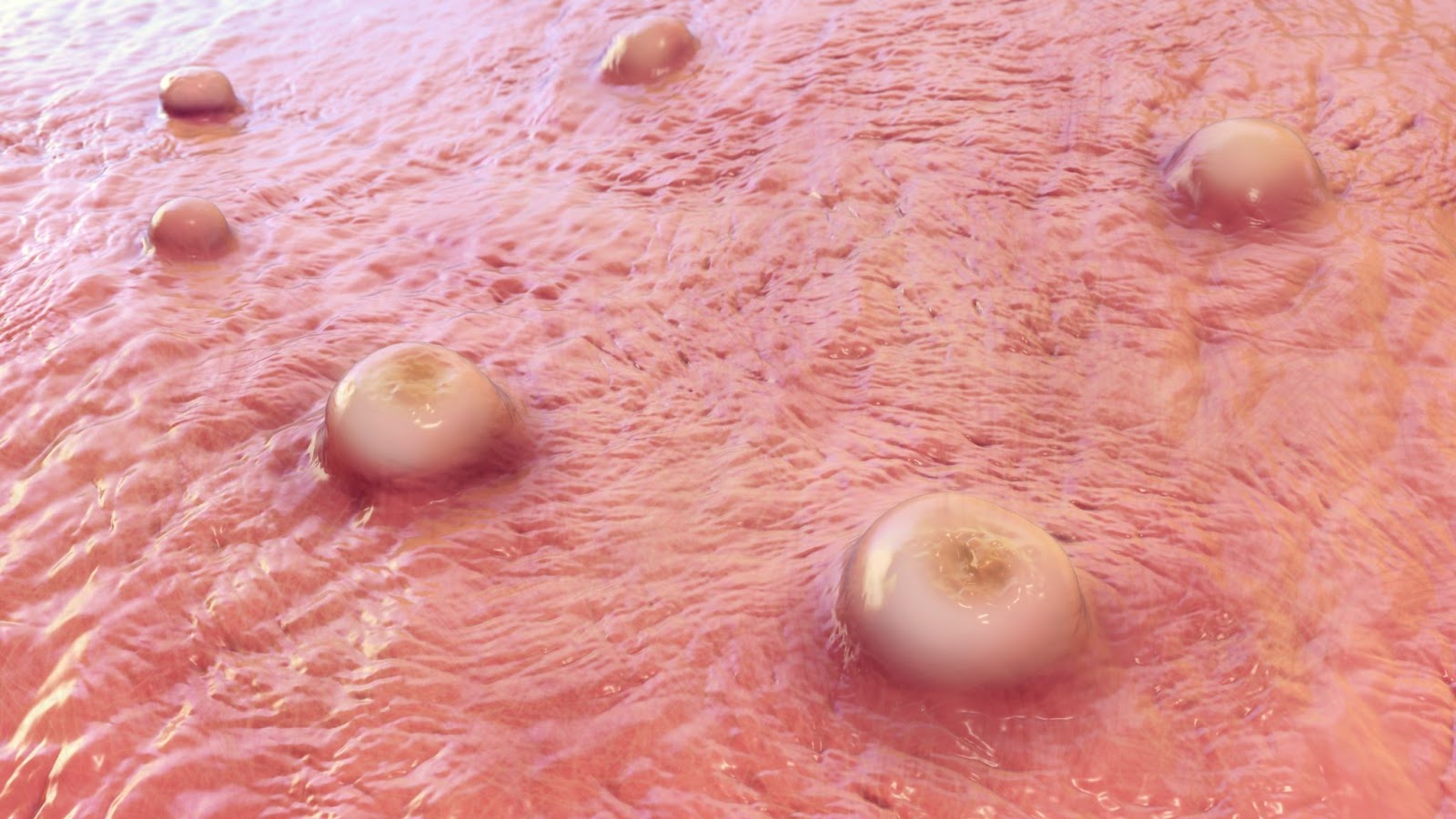
Sexually transmitted diseases (STDs), also known as sexually transmitted infections (STIs), are infections that are primarily spread through sexual contact, including vaginal, anal, and oral sex. These infections can be caused by bacteria, viruses, parasites, or fungi, and affect millions of people worldwide, regardless of age, gender, race, or socioeconomic status.
Concise Yet Detailed Definition
STDs are infectious diseases transmitted predominantly through sexual activity, including intimate skin-to-skin contact and exchange of bodily fluids. The term encompasses a diverse group of conditions caused by various pathogens that can affect multiple organ systems. Modern medical terminology increasingly favors “sexually transmitted infections” (STIs) as it reduces stigma and more accurately describes the medical condition.
Affected Body Parts/Organs
STDs can affect multiple body systems and organs:
Genital and Reproductive System
- External genitalia (vulva, penis, scrotum)
- Vagina and cervix
- Urethra
- Prostate gland
- Fallopian tubes and ovaries
- Testicles and epididymis
Other Affected Areas
- Oral cavity and throat
- Rectum and anal region
- Skin and mucous membranes
- Liver (Hepatitis B and C)
- Nervous system (syphilis, HIV)
- Immune system (HIV)
- Eyes (chlamydia, gonorrhea, herpes)
- Blood and lymphatic system
Prevalence and Significance
Global Impact
- WHO estimates: Over 1 million people acquire an STI every day worldwide
- Annual new cases: Approximately 374 million new cases of four major STIs annually
- Prevalence: 1 in 5 people in the United States have an STI
- Economic burden: Billions in healthcare costs and lost productivity globally
Public Health Significance
- Leading cause of infectious disease morbidity in sexually active populations
- Major contributor to infertility, pregnancy complications, and neonatal infections
- Facilitates HIV transmission and acquisition
- Significant psychological and social impact due to associated stigma
- Disproportionately affects certain demographic groups and regions
2. History & Discoveries
Ancient Recognition
Historical Documentation
- Ancient Egypt (1550 BCE): Edwin Smith Papyrus describes urethral discharge
- Ancient Greece/Rome: Hippocrates and other physicians documented “running from Venus”
- Biblical references: Old Testament contains descriptions consistent with STDs
- Medieval period: “French pox” or “Great Pox” (syphilis) appeared in late 15th century
Major Historical Milestones
15th-16th Century
- 1495: Major syphilis outbreak in Europe following Columbus’s return from Americas
- 1530: Italian physician Girolamo Fracastoro coins the term “syphilis”
- 1747: Surgeon John Hunter’s controversial self-experimentation with gonorrhea and syphilis
Key Discoveries and Researchers
Bacterial STDs
- 1879: Albert Ludwig Neisser discovers Neisseria gonorrhoeae (gonorrhea)
- 1905: Fritz Schaudinn and Erich Hoffmann identify Treponema pallidum (syphilis)
- 1907: August Paul von Wassermann develops first syphilis blood test
- 1962: First isolation of Chlamydia trachomatis
Viral STDs
- 1940s: Herpes simplex virus identified as distinct from varicella-zoster
- 1970s: Hepatitis B virus characterized
- 1981: AIDS first clinically observed
- 1983: HIV isolated by Luc Montagnier and Robert Gallo
- 1976: Human papillomavirus (HPV) linked to cervical cancer
Evolution of Medical Understanding
Pre-Germ Theory Era (Before 1870s)
- STDs attributed to moral failings, “bad air,” or divine punishment
- Treatments based on bloodletting, mercury, and herbal remedies
- Syphilis and gonorrhea thought to be same disease
Germ Theory Revolution (1870s-1920s)
- Discovery of specific bacterial causation
- Development of first effective diagnostic tests
- Introduction of military-style prevention programs during WWI
Antibiotic Era (1920s-1980s)
- 1943: Penicillin proven effective against syphilis
- 1940s-1950s: Revolution in treatment with antibiotics
- Dramatic reduction in syphilis and gonorrhea rates
- Emergence of antibiotic resistance
Modern Era (1980s-Present)
- HIV/AIDS pandemic reshapes understanding and prevention
- Development of highly active antiretroviral therapy (HAART)
- Recognition of viral STDs as major health issues
- Introduction of HPV and Hepatitis B vaccines
- Molecular diagnostics revolution
Major Treatment Breakthroughs
- 1910: Paul Ehrlich develops Salvarsan for syphilis
- 1943: Penicillin treatment protocols established
- 1981: Acyclovir approved for herpes treatment
- 1987: First HIV antiretroviral (AZT) approved
- 1996: HAART protocols transform HIV treatment
- 2006: HPV vaccine approved
- 2012: Pre-exposure prophylaxis (PrEP) for HIV prevention
3. Symptoms
Early vs. Advanced-Stage Symptoms
Early/Acute Stage Symptoms (Days to Weeks)
Bacterial STDs
- Gonorrhea: Urethral discharge, burning during urination
- Chlamydia: Often asymptomatic; mild discharge or burning
- Syphilis: Painless ulcer (chancre) at infection site
- Pelvic Inflammatory Disease: Lower abdominal pain, fever
Viral STDs
- Herpes: Painful vesicles/ulcers at infection site
- HIV: Flu-like symptoms (acute retroviral syndrome)
- HPV: Usually asymptomatic; possible genital warts
- Hepatitis B: Fatigue, abdominal pain, jaundice
Parasitic STDs
- Trichomoniasis: Vaginal discharge, itching, burning
- Pubic lice: Intense itching in pubic area
- Scabies: Itching, typically worse at night
Advanced/Chronic Stage Symptoms (Months to Years)
Untreated Bacterial STDs
- Syphilis: Skin rashes, organ damage, neurological symptoms
- Gonorrhea/Chlamydia: Pelvic inflammatory disease, infertility
- Chronic chlamydia: Reactive arthritis, eye inflammation
Viral STDs
- HIV: Opportunistic infections, neurological symptoms
- Herpes: Recurrent outbreaks, possible complications
- HPV: Cervical/anal cancer development
- Hepatitis B: Cirrhosis, liver cancer
Common vs. Rare Symptoms
Most Common Symptoms (>50% of symptomatic cases)
- Abnormal genital discharge
- Burning during urination
- Genital pain or discomfort
- Skin lesions or rashes in genital area
- Pelvic pain (in women)
Moderately Common (20-50% of cases)
- Flu-like symptoms
- Enlarged lymph nodes
- Abnormal bleeding between periods
- Rectal discharge or bleeding
- Oral/throat lesions
Rare but Serious Symptoms (<10% of cases)
- Neurological symptoms (neurosyphilis)
- Severe systemic illness
- Eye complications
- Joint pain and arthritis
- Severe organ dysfunction
Symptom Progression Patterns
Asymptomatic Progression
- Many STDs (especially chlamydia, gonorrhea, HIV, HPV) are initially asymptomatic
- Can remain undetected for months to years
- Silent progression can cause significant organ damage
Episodic Pattern
- Herpes: Initial outbreak followed by recurrent episodes
- HPV: Warts may appear, disappear, and reappear
- Syphilis: Distinct stages with periods of latency
Progressive Pattern
- HIV: Gradual immune system deterioration
- Hepatitis B: Slow progression to cirrhosis and liver cancer
- Untreated syphilis: Progression through distinct stages
Complications Timeline
- Immediate (days-weeks): Local symptoms, systemic symptoms
- Short-term (weeks-months): Ascending infections, systemic spread
- Long-term (months-years): Chronic pain, infertility, organ damage, cancer
4. Causes
Biological Causes by Pathogen Type
Bacterial STDs
- Chlamydia: Chlamydia trachomatis
- Gonorrhea: Neisseria gonorrhoeae
- Syphilis: Treponema pallidum
- Chancroid: Haemophilus ducreyi
- Granuloma inguinale: Klebsiella granulomatis
Viral STDs
- Herpes: Herpes simplex virus types 1 and 2 (HSV-1, HSV-2)
- HIV/AIDS: Human immunodeficiency virus (HIV-1, HIV-2)
- HPV: Human papillomavirus (150+ types)
- Hepatitis B: Hepatitis B virus (HBV)
- Molluscum contagiosum: Molluscum contagiosum virus
Parasitic STDs
- Trichomoniasis: Trichomonas vaginalis
- Pubic lice: Pthirus pubis
- Scabies: Sarcoptes scabiei
Fungal STDs
- Candidiasis: Candida species (debated if truly sexually transmitted)
Transmission Mechanisms
Primary Transmission Routes
- Sexual contact: Vaginal, anal, oral sex
- Skin-to-skin contact: Direct contact with infected areas
- Bodily fluid exchange: Blood, semen, vaginal/cervical secretions
- Mucous membrane contact: Direct contact with infected membranes
Secondary Transmission Routes
- Mother-to-child: During pregnancy, childbirth, or breastfeeding
- Blood contact: Sharing needles, blood transfusions (rare in developed countries)
- Organ transplantation: From infected donors (rare)
Environmental and Behavioral Factors
High-Risk Behaviors
- Unprotected sexual activity
- Multiple sexual partners
- Partner with multiple sexual partners
- History of previous STDs
- Substance use affecting judgment
- Sex work involvement
- Sexual practices causing tissue damage
Environmental Factors
- Limited access to healthcare
- Poor sexual health education
- Cultural stigma preventing testing/treatment
- Socioeconomic factors affecting healthcare access
- Geographic location (higher prevalence areas)
Genetic and Hereditary Factors
Host Genetic Susceptibility
- HIV progression: CCR5 gene variants affect HIV susceptibility
- HLA genes: Influence immune response to various pathogens
- Complement system genes: Affect susceptibility to some bacterial STDs
- Cytokine production genes: Influence inflammatory responses
Pathogen Genetic Variation
- Viral mutations: HIV, HPV, and herpes virus genetic diversity
- Bacterial antibiotic resistance: Genetic changes allowing resistance
- Virulence factors: Genetic elements affecting pathogen aggressiveness
Known Triggers and Risk Amplifiers
Immunosuppression
- HIV infection
- Immunosuppressive medications
- Chronic illnesses (diabetes, cancer)
- Stress and poor nutrition
Biological Co-factors
- Existing STDs: Increase susceptibility to others
- Genital trauma: Facilitates pathogen entry
- Hormonal changes: Pregnancy, menopause affect susceptibility
- Age factors: Young women at higher risk for some STDs
Behavioral Triggers
- Alcohol and drug use
- Concurrent multiple partnerships
- Inconsistent condom use
- Sexual practices causing mucosal damage
5. Risk Factors
Demographic Risk Factors
Age-Related Risks
- 15-24 years: Highest STD incidence rates
- Biological factors: Cervical ectopy in young women
- Behavioral factors: Multiple partners, inconsistent protection
- Social factors: Limited experience negotiating safer sex
- 25-39 years: Second highest risk group
- Relationship transitions
- Peak sexual activity years
- 40+ years: Lower but increasing rates
- Divorce and new partnerships
- Decreased condom use assumptions
Gender-Specific Risks
- Women: Higher risk of complications from chlamydia/gonorrhea
- Biological vulnerability: Larger genital surface area exposed
- Asymptomatic infections more common
- Higher risk of pelvic inflammatory disease
- Men: Higher HIV transmission risk in men who have sex with men (MSM)
- Rectal intercourse carries highest transmission risk
- Cultural barriers to healthcare seeking
Sexual Orientation and Gender Identity
- MSM: Disproportionately affected by HIV, syphilis, gonorrhea
- Transgender individuals: Face barriers to healthcare access
- Heterosexual: Majority of chlamydia and HPV cases
Socioeconomic and Cultural Factors
Poverty and Limited Resources
- Reduced access to healthcare services
- Limited transportation to clinics
- Inability to afford treatments
- Higher rates of injection drug use
Educational Factors
- Lower sexual health literacy
- Inadequate comprehensive sex education
- Misconceptions about transmission and prevention
Cultural and Religious Barriers
- Stigma surrounding sexuality and STDs
- Religious restrictions on contraception/condoms
- Cultural norms about discussing sexual health
- Discrimination in healthcare settings
Occupational Risk Factors
Healthcare Workers
- Risk of blood-borne pathogen exposure
- Needle stick injuries
- Contact with infected bodily fluids
Sex Workers
- Commercial sex work carries elevated risk
- Economic pressures may prevent negotiating safer practices
- Legal status affects access to healthcare
Military Personnel
- Deployment-related risk behaviors
- Separation from partners
- Limited healthcare access in some deployment locations
Behavioral Risk Factors
Sexual Behaviors
- Number of partners: Risk increases with multiple partners
- Type of sexual activity: Anal sex carries higher transmission risk
- Concurrent partnerships: Multiple simultaneous relationships
- Age of sexual debut: Earlier initiation associated with higher lifetime risk
Substance Use
- Alcohol: Impairs judgment regarding safer sex practices
- Injection drugs: Direct blood-borne transmission risk
- Other substances: May lead to risky sexual behaviors
Protection Practices
- Inconsistent condom use
- Incorrect condom use
- Non-use of barrier methods for oral/anal sex
- Lack of PrEP use in high-risk individuals
Impact of Pre-existing Conditions
Immunocompromising Conditions
- HIV infection: Increases susceptibility to all STDs
- Diabetes: Impaired immune function
- Cancer/Chemotherapy: Immunosuppression
- Organ transplant recipients: Anti-rejection medications
Existing STDs
- Herpes: Increases HIV transmission risk 2-4 fold
- Syphilis: Facilitates HIV transmission
- Any ulcerative STD: Creates entry points for other pathogens
Gynecological Factors
- Cervical ectopy: Young women at higher risk
- Menstruation: May increase transmission risk
- Pregnancy: Complications more likely with certain STDs
- Menopause: Decreased estrogen affects vaginal health
Geographic and Environmental Risk
High-Prevalence Areas
- Urban areas with concentrated epidemics
- Regions with limited healthcare access
- Areas with high poverty rates
- Communities with cultural barriers to testing
Travel-Related Risks
- Sex tourism
- Business travel
- Study abroad programs
- Military deployment
6. Complications
Immediate Complications (Days to Weeks)
Local Complications
- Urethritis: Gonorrhea, chlamydia causing painful urination
- Cervicitis: Inflammation of cervix from bacterial infections
- Proctitis: Rectal inflammation from anal transmission
- Pharyngitis: Throat infections from oral sexual contact
Systemic Complications
- Pelvic Inflammatory Disease (PID): Chlamydia/gonorrhea ascending to upper reproductive tract
- Epididymitis: Testicular inflammation from bacterial STDs
- Acute hepatitis: From Hepatitis B infection
- Disseminated gonococcal infection: Rare systemic spread
Reproductive Health Complications
Female Reproductive System
- Infertility: 15% of women with untreated chlamydia/gonorrhea
- Ectopic pregnancy: 6-fold increased risk after PID
- Chronic pelvic pain: Persistent pain from scarring
- Pregnancy complications: Preterm birth, low birth weight
Male Reproductive System
- Male factor infertility: Epididymitis causing blocked ducts
- Chronic prostatitis: Long-term prostate inflammation
- Urethral stricture: Scarring from recurrent infections
Long-term Organ System Impact
Cardiovascular System
- HIV: Increased risk of heart disease
- Syphilis: Can affect heart valves and aorta
- Hepatitis B: Potential cardiovascular complications
Neurological System
- Neurosyphilis: Brain and spinal cord involvement
- HIV-associated dementia: Cognitive impairment
- Herpes encephalitis: Rare but severe brain infection
Liver
- Hepatitis B: Chronic hepatitis, cirrhosis, liver cancer
- Hepatitis C: Co-infection complications with HIV
Immune System
- HIV: Progressive immunodeficiency
- Chronic STDs: Prolonged immune activation and inflammation
Cancer Risks
HPV-Related Cancers
- Cervical cancer: 99% caused by HPV
- Anal cancer: Especially in MSM and immunocompromised
- Oropharyngeal cancer: Increasing rates linked to HPV
- Penile, vulvar, vaginal cancers: Less common HPV-related cancers
Other Cancer Associations
- Hepatitis B: Primary liver cancer (hepatocellular carcinoma)
- HIV: Increased risk of various cancers due to immunosuppression
Maternal and Neonatal Complications
Pregnancy Complications
- Preterm labor: Chlamydia, gonorrhea, bacterial vaginosis
- Premature rupture of membranes: Bacterial infections
- Miscarriage: Syphilis, severe infections
- Stillbirth: Untreated syphilis
Neonatal Complications
- Neonatal conjunctivitis: Gonorrhea, chlamydia
- Pneumonia: Chlamydia transmission during delivery
- Congenital syphilis: Devastating multi-organ effects
- Neonatal herpes: High mortality and morbidity
- Mother-to-child HIV transmission: Without treatment, 15-45% risk
Disability and Functional Impact
Vision Complications
- Trachoma: Chlamydia causing blindness (developing countries)
- Herpes keratitis: Corneal scarring and vision loss
- Syphilitic interstitial keratitis: Rare corneal inflammation
Mobility and Joint Issues
- Reactive arthritis: Following chlamydia, gonorrhea infections
- Syphilitic arthritis: Joint involvement in tertiary syphilis
Cognitive and Neurological Disability
- HIV-associated cognitive impairment: Memory and executive function
- Neurosyphilis: Dementia, personality changes, motor dysfunction
Mortality Rates
HIV/AIDS Mortality
- Untreated HIV: Average 8-10 years to AIDS
- With treatment: Near-normal life expectancy
- Global deaths: Approximately 690,000 annually (2019)
Other STD Mortality
- Syphilis: 200,000 stillbirths/neonatal deaths annually
- Hepatitis B: 820,000 deaths annually from complications
- HPV: 311,000 cervical cancer deaths annually
- Direct bacterial STD deaths: Rare with treatment
Economic and Social Disability
Economic Impact
- Lost productivity from illness
- Healthcare costs for complications
- Impact on relationships and marriage
- Psychological costs of stigma and discrimination
Quality of Life Impact
- Chronic pain syndromes
- Sexual dysfunction
- Relationship difficulties
- Mental health complications (depression, anxiety)
Population-Specific Complications
Adolescents
- Higher risk of complications due to delayed treatment
- Psychosocial impact during critical developmental period
Elderly
- Delayed diagnosis due to ageism in sexual health
- More severe complications due to comorbidities
Immunocompromised
- Atypical presentations
- More severe and prolonged courses
- Increased risk of dissemination
7. Diagnosis & Testing
Routine Screening Guidelines
CDC Recommended Screening
- Chlamydia/Gonorrhea: Annually for sexually active women <25 and older women with risk factors
- HIV: All adults and adolescents at least once; higher-risk individuals annually
- Syphilis: Sexually active MSM annually; pregnant women; high-risk individuals
- Hepatitis B: High-risk populations
- HPV: Cervical cancer screening via Pap smears
Frequency Based on Risk
- Low risk: Annual screening per guidelines
- High risk: Every 3-6 months
- New partnerships: Before unprotected sex
- Symptomatic: Immediate testing
Laboratory Testing Methods
Nucleic Acid Amplification Tests (NAATs)
- Chlamydia/Gonorrhea: Gold standard, >95% sensitivity
- Sample types: Urine, vaginal swabs, cervical swabs, rectal/throat swabs
- Advantages: High accuracy, can test multiple sites, rapid results
Blood-Based Tests
- HIV: Antibody, antigen, or combination tests
- Syphilis: Non-treponemal (RPR, VDRL) and treponemal tests
- Hepatitis B: Surface antigen, core antibody, surface antibody
- Herpes: HSV-1 and HSV-2 specific serology
Culture Methods
- Gonorrhea: Still used for antibiotic resistance testing
- Herpes: Gold standard for active lesions
- Trichomoniasis: Wet mount, culture, or NAAT
Point-of-Care Testing
- Rapid HIV tests: Results in 20 minutes
- Rapid syphilis: Useful in resource-limited settings
- Pregnancy testing: Before treatment that could harm fetus
Specimen Collection Methods
Urine Testing
- First-void urine: Preferred for NAAT testing
- Advantages: Non-invasive, patient-collected
- Limitations: May miss some infections compared to swabs
Genital Swabs
- Vaginal self-swabs: Equivalent sensitivity to provider-collected
- Cervical swabs: Traditional method for women
- Urethral swabs: Less comfortable but sometimes necessary
Rectal and Throat Swabs
- Essential for MSM: Screen all sites of exposure
- Often missed: Many providers don’t screen all sites
- Important for women: Rectal testing if anal sex exposure
Blood Collection
- Venipuncture: Standard for most serologic tests
- Finger stick: Adequate for many rapid tests
Specialized Testing
HIV Testing Options
- 4th generation: Detects HIV p24 antigen and antibodies
- Window period: 14-21 days for current tests
- Confirmatory testing: Western blot or HIV-1/HIV-2 differentiation
Syphilis Testing Algorithm
- Screening: Non-treponemal test (RPR/VDRL)
- Confirmation: Treponemal test (TP-PA, FTA-ABS)
- Reverse algorithm: Some labs screen with treponemal tests first
HPV Testing
- Cervical HPV: Co-testing with Pap smears
- High-risk types: 14 oncogenic HPV types
- Genital warts: Usually diagnosed clinically
Hepatitis Testing Panel
- HBsAg: Acute or chronic infection
- Anti-HBc: Past or present infection
- Anti-HBs: Immunity from vaccination or infection
Home Testing Options
Over-the-Counter Tests
- HIV home tests: FDA-approved oral and blood tests
- Limitations: Window period concerns, need for follow-up
- Benefits: Privacy, convenience, broader access
Mail-in Testing Kits
- Comprehensive STD panels: Test for multiple infections
- Self-collection: Urine and swab samples
- Physician review: Results interpreted by healthcare providers
Testing in Special Populations
Pregnant Women
- Routine screening: HIV, syphilis, hepatitis B, chlamydia
- Treatment considerations: Pregnancy-safe antibiotics
- Partner testing: Essential to prevent reinfection
Adolescents
- Confidentiality laws: Vary by state
- Urine testing: Preferred for comfort and compliance
- Comprehensive counseling: Include prevention education
MSM (Men who have Sex with Men)
- Three-site testing: Urethral, rectal, and pharyngeal
- More frequent testing: Every 3 months for high-risk individuals
- PrEP monitoring: Regular HIV/STD screening while on PrEP
Diagnostic Challenges
Asymptomatic Infections
- High prevalence: Many STDs are asymptomatic
- Screening importance: Detection requires routine testing
- Public health impact: Undiagnosed infections continue transmission
Window Periods
- HIV: 10-33 days depending on test type
- Syphilis: 3-6 weeks for antibody development
- Herpes: Antibodies may take 12-16 weeks to develop
False Positive/Negative Results
- Technical factors: Specimen handling, test kit issues
- Biological factors: Immune status, co-infections
- Confirmatory testing: Essential for positive screening tests
Early Detection Benefits
Individual Health Benefits
- Prevent complications: Early treatment prevents serious outcomes
- Reduce transmission: Diagnosed individuals less likely to spread
- Partner health: Enables partner notification and treatment
Public Health Benefits
- Outbreak control: Early detection prevents clusters
- Epidemiologic surveillance: Track trends and resistance patterns
- Cost effectiveness: Treatment cheaper than complication management
Testing Accessibility and Barriers
Common Barriers
- Cost: Insurance coverage varies
- Location: Limited clinic availability in rural areas
- Stigma: Fear of judgment or discrimination
- Confidentiality concerns: Especially in small communities
Improving Access
- Free/low-cost clinics: Federally qualified health centers
- Mobile testing units: Bring services to high-risk communities
- Pharmacy-based testing: Expanding access through retail clinics
- Telemedicine: Remote consultation and home testing
8. Treatment Options
Bacterial STD Treatments
Chlamydia
- First-line: Azithromycin 1g single dose OR Doxycycline 100mg BID × 7 days
- Pregnancy: Azithromycin preferred; erythromycin alternative
- Cure rate: >95% with appropriate treatment
- Partner treatment: Essential to prevent reinfection
Gonorrhea
- First-line: Ceftriaxone 500mg IM single dose
- Resistance concerns: Increasing resistance to multiple antibiotics
- Combination therapy: Sometimes combined with azithromycin
- Complicated infections: Extended treatment courses
Syphilis
- Primary/Secondary: Benzathine penicillin G 2.4 million units IM single dose
- Latent: Benzathine penicillin G 2.4 million units IM weekly × 3 doses
- Neurosyphilis: Aqueous penicillin G IV × 10-14 days
- Penicillin allergy: Doxycycline or tetracycline alternatives
Trichomoniasis
- First-line: Metronidazole 2g single dose OR 500mg BID × 7 days
- Alternative: Tinidazole 2g single dose
- Treatment partners: Essential even if asymptomatic
- Resistance: Increasing resistance requires higher doses
Viral STD Treatments
Herpes (HSV-1/HSV-2)
- Episodic treatment: Acyclovir, valacyclovir, or famciclovir
- Suppressive therapy: Daily antiviral for frequent recurrences
- Duration: Episodic 5-10 days; suppressive indefinite
- Benefits: Reduces symptoms, duration, transmission risk
HIV
- HAART (Highly Active Antiretroviral Therapy): Combination of 3+ drugs
- Drug classes: NRTIs, NNRTIs, PIs, INSTIs, entry inhibitors
- Goal: Undetectable viral load (U=U: Undetectable = Untransmittable)
- Initiation: Immediate treatment regardless of CD4 count
HPV
- No specific antiviral treatment: Immune system typically clears virus
- Genital warts: Topical treatments (imiquimod, podophyllin, TCA)
- Surgical options: Cryotherapy, electrocautery, excision
- Cervical lesions: LEEP, cryotherapy, cone biopsy
Hepatitis B
- Acute: Usually self-resolving, supportive care
- Chronic: Antivirals (tenofovir, entecavir) for active disease
- Monitoring: Regular liver function tests, viral load
- Cure: Functional cure possible but rare
Parasitic STD Treatments
Pubic Lice (Crabs)
- First-line: Permethrin 1% cream rinse
- Alternative: Pyrethrin with piperonyl butoxide
- Application: Apply to affected areas, rinse after specified time
- Environmental: Wash bedding/clothing in hot water
Scabies
- First-line: Permethrin 5% cream applied whole body
- Alternative: Ivermectin oral for certain cases
- Retreatment: Second application 1-2 weeks later
- Household: Treat all household members and close contacts
Treatment Monitoring and Follow-up
Test of Cure
- Chlamydia/Gonorrhea: Not routinely needed unless symptoms persist
- Syphilis: Serologic monitoring at 6, 12, 24 months
- HIV: Monthly viral load monitoring initially
- Hepatitis B: Regular liver function and viral load tests
Partner Management
- Notification: Patient or provider notification of partners
- Empirical treatment: Treat partners without testing in some cases
- Expedited Partner Therapy (EPT): Medication provided to patients for partners
- Contact tracing: Public health follow-up for some STDs
Pregnancy Considerations
Safe in Pregnancy
- Penicillin: Safe for syphilis treatment
- Azithromycin: Preferred for chlamydia
- Ceftriaxone: Safe for gonorrhea
- Acyclovir: Can be used for herpes
Contraindicated in Pregnancy
- Doxycycline: Risk of teeth/bone abnormalities
- Metronidazole: Avoid in first trimester
- Some HIV medications: Efavirenz contraindicated
Emerging and Experimental Treatments
Novel Antibiotics
- New beta-lactams: Addressing gonorrhea resistance
- Antimicrobial peptides: Natural defense mechanisms
- Combination therapies: Overcoming resistance
Viral Innovations
- Longer-acting HIV drugs: Injectable formulations
- Cure research: “Shock and kill” HIV strategies
- Therapeutic vaccines: Boosting immune responses
Immunotherapies
- Monoclonal antibodies: Targeted pathogen clearance
- Immune modulators: Enhancing natural immune responses
- Probiotic treatments: Restoring protective microbiome
Drug Resistance Issues
Gonorrhea Resistance
- Pan-resistant strains: Emerging resistance to all antibiotics
- Surveillance: Global monitoring of resistance patterns
- Treatment guidelines: Frequently updated based on resistance
HIV Resistance
- Drug resistance testing: Before starting treatment
- Resistance patterns: Transmitted and acquired resistance
- Salvage therapy: Options for multi-drug resistant HIV
Treatment Challenges
Access Issues
- Cost: Insurance coverage and copays
- Geographic: Limited providers in rural areas
- Timing: Delays in treatment initiation
Adherence Problems
- Complex regimens: Multiple drugs with different schedules
- Side effects: May lead to treatment discontinuation
- Social factors: Stigma, partner issues
Special Populations
- Adolescents: Confidentiality and consent issues
- Elderly: Drug interactions and comorbidities
- Immunocompromised: Modified treatment regimens needed
Alternative and Complementary Medicine
Limited Evidence
- Herbal remedies: Some antiviral properties but not proven
- Supplements: Limited evidence for immune support
- Acupuncture: May help with symptoms but not cure
Not Recommended
- Homeopathy: No evidence of effectiveness
- Essential oils: Not effective against STDs
- Dietary treatments: Cannot cure STDs alone
9. Prevention & Precautionary Measures
Primary Prevention Strategies
Barrier Methods
- Male condoms: 80-90% effective against most STDs when used consistently
- Female condoms: Slightly less effective than male condoms
- Dental dams: Protection for oral-genital/oral-anal contact
- Proper use: Correct application and removal crucial
Behavioral Modifications
- Abstinence: 100% effective but often not practical long-term
- Mutual monogamy: With uninfected partner after testing
- Reducing partner numbers: Fewer partners = lower cumulative risk
- Sexual communication: Discussing STD status with partners
Pre-exposure Prophylaxis (PrEP)
- HIV PrEP: Oral medication (Truvada, Descovy) for high-risk individuals
- Effectiveness: Up to 99% effective when taken consistently
- Candidates: MSM, heterosexual individuals with high-risk partners
- Monitoring: Regular testing and kidney function monitoring
Vaccines and Immunization
Available Vaccines
- HPV vaccines: Gardasil 9 protects against 9 HPV types
- Recommended ages 9-26, catch-up through age 26
- 90% effective against targeted types
- Hepatitis B vaccine: Part of routine childhood immunization
- 3-dose series providing lifelong immunity
- Post-exposure prophylaxis available
Vaccine Development
- Herpes vaccines: Multiple candidates in clinical trials
- HIV vaccines: Ongoing research with limited success
- Syphilis vaccines: Early-stage research
Screening and Early Detection
Routine Testing Schedules
- Annual screening: For sexually active individuals per CDC guidelines
- Increased frequency: Every 3 months for high-risk individuals
- Partner testing: Before new relationships
- Post-exposure: Testing after potential exposure
Self-Testing Options
- HIV home tests: Increase testing uptake
- STD home test kits: Growing availability and acceptance
- Partner testing: Couples testing together
Risk Reduction Counseling
Healthcare Provider Role
- Risk assessment: Evaluate individual risk factors
- Personalized counseling: Tailored to individual circumstances
- Motivational interviewing: Help patients make behavior changes
- Resource provision: Information about local testing/treatment
Key Counseling Topics
- Condom negotiation: Skills for insisting on protection
- Partner communication: Discussing sexual health openly
- Substance use: Impact on decision-making
- Risk recognition: Identifying high-risk situations
Partner Management
Partner Notification
- Patient referral: Patient informs partners themselves
- Provider referral: Healthcare provider contacts partners
- Contract referral: Combination approach with followup
- Anonymous notification: Apps and services for anonymous alerts
Partner Treatment
- Expedited Partner Therapy (EPT): Providing medication for partners
- Presumptive treatment: Treating contacts without testing
- Contact tracing: Public health investigation for certain STDs
Population-Specific Prevention
Adolescents
- Comprehensive sex education: Evidence-based curricula
- Access to services: Confidential healthcare
- Parent-teen communication: Family involvement when appropriate
- Delayed sexual debut: Programs promoting abstinence
Men Who Have Sex with Men (MSM)
- Three-site testing: Oral, rectal, urethral screening
- PrEP programs: Widely available in this population
- Serosorting: Choosing partners based on HIV status
- Chemsex harm reduction: Safer practices during substance use
Women
- Female-controlled methods: Female condoms, microbicides (in development)
- Cervical cancer screening: Regular Pap smears and HPV testing
- Pregnancy planning: Preconception counseling and testing
- Contraceptive counseling: Dual method use (hormonal + barrier)
Substance Use and STD Prevention
Alcohol and Drug Use
- Risk association: Impaired judgment leading to risky behaviors
- Harm reduction: Strategies for safer practices when using
- Treatment programs: Addiction treatment reduces STD risk
- Party settings: Education about risks in social situations
Injection Drug Use
- Needle exchange programs: Reduce HIV and hepatitis transmission
- Opioid substitution therapy: Methadone, suboxone programs
- Integrated services: STD testing in addiction treatment programs
Healthcare System Prevention
Provider Training
- STD knowledge: Current guidelines and best practices
- Communication skills: Non-judgmental, culturally sensitive care
- Testing protocols: Appropriate screening recommendations
- Treatment competency: Proper management of infections
Healthcare Delivery
- Accessible testing: Multiple testing locations
- Rapid testing: Same-day results increase treatment uptake
- Integrated services: STD testing with other healthcare
- Telemedicine: Remote consultations and home testing
Policy and Structural Interventions
Public Health Policy
- Comprehensive sex education mandates: Evidence-based curricula
- Insurance coverage: Covering STD testing and treatment
- Confidentiality protections: Protecting patient privacy
- Non-discrimination laws: Protecting LGBTQ+ individuals
Community-Level Interventions
- Media campaigns: Public awareness about STDs and prevention
- Community mobilization: Engaging communities in prevention
- Stigma reduction: Changing societal attitudes
- Structural changes: Addressing poverty, education, healthcare access
Environmental and Lifestyle Modifications
Personal Hygiene
- Regular bathing: Good general hygiene practices
- Urination after sex: May reduce UTI risk but not STDs
- Genital hygiene: Avoid douching, which may increase infection risk
Sexual Practices
- Communication: Open discussion about sexual health
- Lubrication: Reduces tissue damage during sex
- Sexual techniques: Less traumatic practices reduce transmission risk
- Post-exposure care: Prompt medical attention after high-risk exposure
Travel-Related Prevention
International Travel
- Destination research: STD prevalence in destination countries
- Safer sex supplies: Bringing condoms from home
- Medical insurance: Ensuring coverage for STD treatment abroad
- Post-travel testing: Recommended after high-risk travel
Emergency Prevention
Post-Exposure Prophylaxis (PEP)
- HIV PEP: Started within 72 hours of exposure
- Duration: 28-day course of antiretroviral medications
- Effectiveness: Significantly reduces HIV transmission risk
- Other STDs: Prophylactic antibiotics for high-risk exposures
Sexual Assault Response
- Medical evaluation: Prompt medical attention
- STD testing: Baseline and follow-up testing
- Prophylactic treatment: Antibiotics for common STDs
- Counseling services: Mental health support and follow-up
10. Global & Regional Statistics
Worldwide Incidence and Prevalence
Overall Global Burden (WHO 2019 Data)
- Total annual cases: 374 million new cases of four main STIs
- Chlamydia: 129 million new cases annually
- Gonorrhea: 82 million new cases annually
- Syphilis: 7.1 million new cases annually
- Trichomoniasis: 156 million new cases annually
HIV Statistics (UNAIDS 2021)
- People living with HIV: 38.4 million globally
- New infections: 1.5 million in 2021
- AIDS-related deaths: 650,000 in 2021
- People on treatment: 28.7 million (75% of those living with HIV)
HPV Global Statistics
- Sexually active individuals infected: >75% at some point
- High-risk HPV prevalence: 32% in women aged 15-59
- Cervical cancer incidence: 604,000 new cases annually
- Cervical cancer mortality: 342,000 deaths annually
Regional Variations in STD Burden
Sub-Saharan Africa
- HIV prevalence: Highest globally (6.1% of adults)
- Syphilis in pregnancy: Highest rates globally
- HSV-2 prevalence: 30-60% in many countries
- Limited healthcare infrastructure: Affects treatment access
South and Southeast Asia
- Population burden: Large absolute numbers due to population size
- Young population: High risk due to demographics
- Variable healthcare access: Between urban and rural areas
Latin America and Caribbean
- HIV concentrated epidemics: Primarily in key populations
- Syphilis resurgence: Increasing rates in several countries
- Zika complications: Added STI concerns during outbreaks
North America and Europe
- Generally lower prevalence: Better healthcare access
- Rising rates in some STDs: Particularly syphilis and gonorrhea
- Health disparities: Significant differences within populations
Country-Specific Data
United States
- Total STD cases (2021): 2.5 million cases reported
- Chlamydia: 1.6 million cases
- Gonorrhea: 710,151 cases
- Syphilis: 176,713 cases
- Economic burden: $16 billion annually in healthcare costs
European Union
- Chlamydia: Most commonly reported STI
- Geographic variation: Eastern European countries often higher rates
- Notification systems: Vary significantly between countries
Australia
- High testing rates: Among highest globally
- Rural-urban disparities: Higher rates in remote areas
- Aboriginal populations: Disproportionately affected
Brazil
- HIV: Concentrated in key populations
- Syphilis: Significant public health concern
- Large geographic variations: Between regions
Demographic Breakdowns
Age-Specific Rates
- 15-24 years: Highest rates for most STDs globally
- Youth burden: 25% of new STDs in people under 25
- Older adults: Rising rates due to increased sexual activity
Gender Differences
- Biological factors: Women more susceptible to certain infections
- Healthcare seeking: Women more likely to be tested/treated
- Complications: Women face more severe reproductive consequences
Key Populations
- Men who have sex with men: Disproportionately affected by HIV, syphilis
- Sex workers: Higher prevalence of multiple STDs
- Transgender individuals: Face barriers to care and higher rates
- People who inject drugs: Higher HIV and hepatitis rates
Economic Impact
Global Healthcare Costs
- Direct medical costs: Billions annually for STD care
- Productivity losses: Missed work, reduced capacity
- Lifetime cost of HIV: $500,000+ per person in developed countries
Development Impact
- Poverty correlation: STDs both cause and result from poverty
- Healthcare system strain: Significant burden in resource-limited settings
- Education disruption: Especially affecting young women
Mortality Statistics
HIV Mortality Trends
- Peak deaths: 2.3 million in 2005
- Current deaths: 650,000 annually (2021)
- Treatment impact: Dramatic reduction with antiretroviral therapy
Cervical Cancer (HPV-Related)
- Global deaths: 342,000 annually
- Distribution: 90% in low- and middle-income countries
- Preventable deaths: Screening and vaccination could prevent most
Maternal and Neonatal Deaths
- Syphilis in pregnancy: 350,000 adverse birth outcomes annually
- Neonatal HSV: High mortality rate without treatment
- Mother-to-child HIV: 200,000 new infections annually
STD Surveillance Systems
Developed Countries
- Comprehensive surveillance: Most STDs notifiable
- Laboratory confirmation: High proportion of confirmed cases
- Electronic reporting: Real-time data collection
Developing Countries
- Syndromic surveillance: Based on symptoms rather than tests
- Underreporting: Significant due to testing limitations
- Sentinel sites: Selected clinics provide representative data
Trends Over Time
Historical Trends
- Syphilis decline: Dramatic reduction with penicillin (1940s-1970s)
- HIV emergence: Major epidemic beginning 1980s
- Antibiotic resistance: Growing concern for gonorrhea
Recent Trends (2015-2021)
- Increasing syphilis: Rising rates in many developed countries
- Stable/declining HIV: In most regions except certain populations
- COVID-19 impact: Disrupted testing and treatment services
Emerging Patterns
- Online dating: Potential impact on transmission patterns
- Longer lifespans: STDs in older adults increasing
- Climate change: Potential for geographic expansion of some infections
Global Response and Initiatives
WHO Global Health Strategy (2016-2021)
- Targets: 90% reduction in incidence of certain STIs
- Integration: With HIV and reproductive health services
- Key populations: Focus on most affected groups
UNAIDS 90-90-90 Targets
- 90% diagnosed: Of people living with HIV
- 90% on treatment: Of those diagnosed
- 90% suppressed: Of those on treatment
- Progress: Many countries achieved these targets
HPV Vaccination Programs
- National programs: In >100 countries
- Coverage variation: From <10% to >90% globally
- Gender inclusion: Some programs now include boys
Challenges in Global STD Control
Resource Limitations
- Funding gaps: Insufficient resources for prevention/treatment
- Infrastructure: Weak health systems in many regions
- Training: Shortage of trained healthcare providers
Social and Cultural Barriers
- Stigma: Major barrier to testing and treatment
- Gender inequality: Limits women’s ability to negotiate safe sex
- Legal environment: Criminalization of sex work, homosexuality
Technical Challenges
- Drug resistance: Particularly for gonorrhea
- Vaccine development: Limited success except HPV, Hepatitis B
- Diagnostic challenges: Need for better point-of-care tests
11. Recent Research & Future Prospects
Current Research Focus Areas
Vaccine Development
Herpes simplex virus (HSV) vaccines: Multiple candidates in Phase II/III trials
- Immunovax’s HSV-1 vaccine showing promise
- Rational Vaccines’ live-attenuated HSV-2 vaccine
- Agenus/GSK therapeutic vaccine trials ongoing
HIV preventive vaccines: Renewed efforts after modest success
- Imbokodo trial results (2021): Limited efficacy
- New mosaic vaccines in development
- Germline targeting approach for broadly neutralizing antibodies
Group B Streptococcus (GBS) vaccines: Maternal immunization strategies
Novel Antimicrobials
Gonorrhea resistance: New antibiotics in development
- Zoliflodacin (oral spiropyrimidinetrione): Completed Phase III
- Gepotidacin (triazaacenaphthylene): Phase III trials ongoing
- Combination therapy approaches
Antifungal STD treatments: For recurrent candidiasis
Antiviral developments: Long-acting formulations
Diagnostic Innovation
Point-of-Care Testing
- Rapid multiplex tests: Simultaneous detection of multiple STDs
- Smartphone-based diagnostics: Apps integrating with test devices
- CRISPR-based diagnostics: Ultra-sensitive pathogen detection
- Self-testing expansion: Home tests for more STDs
Next-Generation Sequencing
- Whole genome sequencing: Drug resistance prediction
- Metagenomics: Understanding microbiome interactions
- Viral load monitoring: Improved HIV and HBV monitoring
Biomarker Discovery
- Host response biomarkers: Predicting infection outcomes
- Immune correlates: Understanding protective immunity
- Prognostic markers: Risk stratification tools
Treatment Advances
Long-Acting Medications
- HIV treatment: Injectable cabotegravir/rilpivirine (monthly/bimonthly)
- HIV prevention: Long-acting PrEP formulations
- Future development: Implantable drug delivery systems
Cure Research
HIV cure strategies:
- “Shock and kill” approach using latency-reversing agents
- “Block and lock” approach to silence HIV permanently
- Gene editing using CRISPR/Cas9
- Therapeutic vaccines to control infection without drugs
Herpes cure research:
- Gene editing to eliminate latent virus
- Therapeutic vaccines to prevent reactivation
- Oncolytic virus therapy
Prevention Innovation
Microbicides and Topical Prevention
- Dapivirine vaginal ring: Approved for HIV prevention in women
- Multipurpose prevention technologies (MPTs): Combining contraception with STD prevention
- Rectal microbicides: For anal sex protection
- Oral microbiome modification: Probiotic approaches
Pre-Exposure Prophylaxis (PrEP) Expansion
- On-demand PrEP: Event-driven dosing strategies
- Broader indications: PrEP for other STDs being studied
- Adolescent PrEP: Implementation research ongoing
- Global access: Expanding PrEP availability worldwide
Digital Health and Technology
Mobile Health (mHealth) Applications
- Partner notification apps: Anonymous contact notification
- Adherence support: Medication reminders and monitoring
- Risk assessment tools: Personalized risk calculators
- Telemedicine platforms: Remote STD care and counseling
Artificial Intelligence and Machine Learning
- Diagnostic algorithms: AI-powered image analysis for STDs
- Risk prediction models: Identifying high-risk individuals
- Drug discovery: AI-accelerated compound identification
- Epidemiological modeling: Predicting outbreak patterns
Precision Medicine Approaches
Pharmacogenomics
- HIV treatment: Genetic testing to optimize drug selection
- Adverse reaction prediction: Avoiding harmful drug interactions
- Personalized dosing: Tailoring medication doses to genetics
Personalized Prevention
- Genetic susceptibility testing: Identifying high-risk individuals
- Microbiome profiling: Personalized probiotic interventions
- Behavioral phenotyping: Tailored prevention strategies
Microbiome Research
Reproductive Tract Microbiome
- Protective bacteria: Species that prevent STD acquisition
- Dysbiosis and STDs: How altered microbiomes increase risk
- Microbiome restoration: Probiotic interventions post-STD treatment
- Microbiome-based biomarkers: Predicting STD susceptibility
Oral and Rectal Microbiomes
- Site-specific protection: Understanding local immune factors
- Transmission dynamics: How microbiomes affect STD spread
- Targeted interventions: Site-specific probiotic treatments
Global Health Innovation
Implementation Science
- Low-cost diagnostics: Point-of-care tests for resource-limited settings
- Task-shifting strategies: Non-physician provision of STD care
- Integration models: Combining STD care with other services
- Community-based interventions: Peer-led prevention programs
Health System Strengthening
- Digital health records: Improving STD surveillance
- Supply chain optimization: Ensuring medication availability
- Quality improvement: Standardizing STD care delivery
Future Therapeutic Targets
Novel Antiviral Targets
- Host factors: Blocking cellular mechanisms viruses depend on
- Viral assembly inhibitors: Preventing virus particle formation
- Innate immunity enhancers: Boosting natural antiviral responses
Immunotherapy Approaches
- Monoclonal antibodies: Passive immunization strategies
- Therapeutic vaccines: Enhancing immune responses to clear infections
- Immune modulators: Fine-tuning immune responses
Challenges in STD Research
Funding Limitations
- Limited commercial interest: Many STDs lack profitable treatment markets
- Competing priorities: STDs compete with other health priorities
- Regulatory challenges: Complex approval processes for prevention tools
Scientific Obstacles
- Pathogen diversity: Multiple strains make universal treatments difficult
- Immune evasion: Pathogens that evade natural immunity
- Latency: Persistent infections difficult to cure
Ethical Considerations
- Vulnerable populations: Protecting participants in STD research
- Access to innovations: Ensuring equity in new treatments
- Cultural sensitivity: Respecting cultural norms in research
Promising Research Areas
Structural Interventions
- PrEP equity: Ensuring equal access across populations
- Policy research: Evaluating impact of legal changes
- Economic interventions: Impact of poverty reduction on STDs
Behavioral Science
- Decision science: Understanding sexual decision-making
- Social network interventions: Leveraging relationships for prevention
- Stigma reduction: Evidence-based destigmatization strategies
Timeline for Future Breakthroughs
Near-term (2024-2030)
- New gonorrhea antibiotics entering clinical use
- Expanded home testing options
- Long-acting PrEP formulations widely available
- Improved point-of-care diagnostics
Medium-term (2030-2040)
- HSV vaccines potentially approved
- HIV cure strategies in late-stage trials
- Personalized STD prevention protocols
- AI-powered diagnostic tools standard
Long-term (2040-2050)
- Potential elimination of certain STDs through vaccines
- Cure strategies for multiple viral STDs
- Completely integrated digital health platforms
- Personalized medicine standard for all STDs
Research Priorities Moving Forward
Prevention Innovation
- Multipurpose prevention technologies
- User-friendly prevention methods
- Addressing structural determinants of STD risk
Treatment Breakthroughs
- Antimicrobial resistance solutions
- Viral cure strategies
- Reduced treatment burden
Health Equity
- Eliminating disparities in STD outcomes
- Ensuring global access to innovations
- Addressing social determinants of health
12. Interesting Facts & Lesser-Known Insights
Historical Curiosities
Ancient Misconceptions and Early Understanding
- Ancient Egypt: Used crocodile dung as contraception (possibly protective against some STDs)
- Medieval “cures”: Mercury treatments for syphilis often caused more harm than the disease
- Condom history: Named after Dr. Condom, physician to King Charles II (likely apocryphal)
- Syphilis blame game: Called “French disease” by Italians, “Italian disease” by French
Scientific Naming Origins
- Gonorrhea: Greek for “flow of seed” – ancient misunderstanding of discharge
- Syphilis: Named after Syphilus, mythical shepherd in 16th-century poem
- Chlamydia: Greek for “cloak” – referring to how bacteria cloak themselves
- Herpes: Greek for “to creep” – describing spreading nature of lesions
Surprising Medical Facts
Biological Oddities
- Herpes dormancy: Virus can remain dormant in nerve cells for decades
- HPV prevalence: Nearly 80% of sexually active people get it at some point
- Gonorrhea mutations: Can change its surface proteins to evade immune system
- Syphilis stages: Can mimic almost any other disease (“the great imitator”)
Transmission Peculiarities
- Oral sex risks: Many people underestimate STD transmission risk
- Condom effectiveness: Varies significantly between different STDs
- Sharing sex toys: Can transmit STDs even without direct body contact
- Non-sexual transmission: Some STDs can spread through shared towels, razors
Evolutionary and Biological Insights
Pathogen Evolution
- HIV origins: Likely jumped from chimpanzees to humans in early 1900s
- Syphilis evolution: Possibly evolved from a tropical disease called yaws
- Antibiotic resistance: Gonorrhea evolving resistance to every drug tried
- Viral latency strategies: How herpes and HIV evolved to persist in hosts
Human Adaptation
- CCR5 deletion: Genetic variant providing HIV resistance in 1% of Europeans
- HLA diversity: Human genetic diversity partly shaped by pathogen pressure
- Immune system arms race: Constant evolution between pathogens and immunity
Unusual Epidemic Patterns
Geographic Anomalies
- Australia’s chlamydia rates: Among highest in developed world despite good healthcare
- Syphilis in art: Influenced works by famous artists who had the disease
- Island populations: Isolated communities can have explosive outbreaks
- Military history: STDs significantly impacted military effectiveness
Social and Cultural Impacts
- Sex education origins: STD epidemics drove early sex education programs
- Public health campaigns: First modern public health advertising for STDs
- Hollywood censorship: Hays Code prevented discussion of STDs in films
- Victorian morality: STD shame influenced entire era’s sexual attitudes
Modern Technological Surprises
Digital Age Phenomena
- Dating apps: May be changing STD transmission patterns
- Social media: Used for partner notification and health education
- GPS tracking: Studied for understanding STD transmission networks
- Telemedicine boom: COVID-19 accelerated online STD care
Unexpected Research Tools
- Sewage surveillance: Can track community STD rates
- Cell phone data: Used to model STD spread patterns
- Gaming platforms: Some use for sex education and STD awareness
- Virtual reality: Being tested for STD prevention education
Uncommon Knowledge About Specific STDs
HIV Surprises
- Elite controllers: <1% of people naturally control HIV without medication
- Undetectable = Untransmittable: Properly treated HIV cannot be sexually transmitted
- Reservoir sites: Virus hides in brain, lymph nodes, other sanctuary sites
- Long-term survivors: People living >30 years with HIV exist
Herpes Facts
- Cold sores are STDs: HSV-1 increasingly causes genital herpes through oral sex
- Asymptomatic shedding: Can transmit virus without visible symptoms
- Stress triggers: Psychological stress can trigger outbreaks
- Pregnancy risks: Can be fatal to newborns if mother has active infection
HPV Insights
- Cancer causation: Causes 99% of cervical cancers globally
- Gender equity: Vaccination now recommended for all genders
- Throat cancer rise: HPV now causes most oropharyngeal cancers in men
- Smoking interaction: Tobacco use greatly increases HPV cancer risk
Syphilis Peculiarities
- Neurosyphilis:Can cause personality changes, dementia, paralysis
- Congenital effects: Untreated syphilis in pregnancy highly teratogenic
- False positives: Many conditions can cause positive syphilis tests
- Jarisch-Herxheimer reaction: Treatment can temporarily worsen symptoms
Societal and Professional Impacts
Healthcare Worker Insights
- Dermatology STDs: Skin doctors often first to diagnose STDs
- Emergency departments: See many STD complications
- Pediatricians: Must be alert for child abuse when STDs found in children
- Infectious disease specialists: Often manage complex, resistant cases
Legal and Ethical Complexities
- Criminal transmission: Some jurisdictions criminalize knowing STD transmission
- Partner notification laws: Vary widely between locations
- Healthcare confidentiality: Complex rules around STD reporting
- Age of consent: Complicates adolescent STD care
Cultural and Regional Variations
Global Differences
- Circumcision impact: Reduces HIV, HSV, HPV risk in men
- Cultural practices: Some increase or decrease STD transmission
- Religious influences: Affect prevention, testing, treatment acceptance
- Traditional medicine: Some herbal remedies show actual antimicrobial activity
Language and Stigma
- Euphemisms: Every culture has unique ways to discuss STDs
- Shame differences: Varies dramatically between cultures
- Gender impact: Women often face more STD-related stigma
- Educational taboos: Many cultures avoid STD education
Economic and Market Realities
Pharmaceutical Economics
- Orphan diseases: Some STDs lack profitable treatment markets
- Generic competition: Drives down costs for some treatments
- Diagnostic markets: Growing market for home STD tests
- Vaccine hesitancy: Economic impact of HPV vaccine resistance
Hidden Costs
- Productivity loss: STDs cause billions in lost work hours
- Relationship costs: STDs can destroy marriages, relationships
- Mental health impact: Depression, anxiety costs often uncounted
- Social services: Foster care, special education costs from congenital STDs
Future Prediction Challenges
Epidemiological Uncertainties
- Climate change impact: How warming might affect STD patterns
- Social media influence: Unknown long-term effects on sexual behavior
- Space travel: How to prevent STDs in long-duration space missions
- Life extension: STDs in populations living to 150 years
Technological Disruptions
- Gene drives: Could potentially eliminate certain parasitic STDs
- Artificial wombs: Might eliminate mother-to-child transmission
- 3D-printed organs: Could provide “fresh start” for severely infected organs
- Neural interfaces: Might change how we experience sexuality and relationships
Myths vs. Reality
Persistent Myths Debunked
- Toilet seats: Cannot transmit sexually transmitted diseases
- Swimming pools: Chlorine kills STD pathogens
- Oral sex safety: Major misconception about transmission risk
- Birth control pills: Provide no STD protection
Counterintuitive Truths
- Virgin infections: Can occur through non-sexual routes
- Monogamous couples: Can develop STDs from dormant infections
- Medical procedures: Rare but documented STD transmission route
- Maternal transmission: Many STDs can pass from mother to child
Celebrity and Historical Impact
Famous Cases
- Al Capone: Died from syphilis complications
- Oscar Wilde: Possibly died from syphilis
- King Henry VIII: Historians debate whether he had syphilis
- Napoleon: Some evidence of gonorrhea affecting military campaigns
Research Heroes
- John Snow: Cholera researcher also studied STD transmission
- Marie Curie: Radium research partially funded by syphilis treatment studies
- Anonymous volunteers: Countless unnamed people contributed to STD research
Looking Forward: Implications
Philosophical Questions
- Eradication ethics: Should we eliminate all STDs if possible?
- Enhancement vs treatment: Where’s the line in STD prevention?
- Privacy vs public health: Balancing individual rights with disease control
- Evolutionary role: Do STDs serve any beneficial evolutionary purpose?
Societal Transformations
- Post-STD world: How would society change if all STDs were cured?
- Sexual liberation: Role of STD fear in shaping sexual norms
- Relationship evolution: How STD elimination might change partnerships
- Population dynamics: Impact on fertility, family structures
These insights reveal that STDs are far more than medical conditions—they’re intertwined with human history, culture, technology, and society in complex and often surprising ways. Understanding these broader implications helps inform not just medical care, but public health policy, social attitudes, and even philosophical discussions about human sexuality and disease.
Note: This comprehensive report represents current scientific understanding as of October 2024. STD research continues to evolve rapidly, and future discoveries may modify some conclusions presented here. All statistical data and treatment recommendations should be verified with current medical guidelines and healthcare providers.